


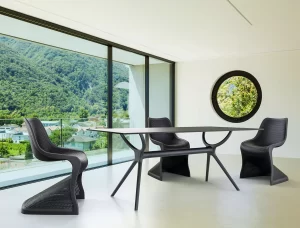

Best Furniture for Office Reception Areas
The front desk is rarely just a front desk. It is where clients form a first impression, where visitors decide whether your business feels polished or disorganised, and where staff manage everything from sign-ins to short waits and courier drop-offs. Choosing the best furniture for office reception means getting that first interaction right while making sure the space works under daily commercial pressure.
A reception area has to look composed, but it also has to earn its floor space. The right mix of furniture supports traffic flow, gives guests somewhere comfortable to wait, and helps your team stay efficient without clutter building up around the entry point. That balance matters whether you are fitting out a corporate office, medical practice, showroom, studio or shared workspace.
What the best furniture for office reception needs to do
Reception furniture should never be chosen on looks alone. A sleek lounge chair that is difficult to clean or a desk that offers no cable management can create headaches within weeks. In commercial settings, furniture has to perform consistently, cope with high use and hold its appearance over time.
The best office reception setups usually combine five things – comfort, durability, practical layout, brand alignment and easy maintenance. If one of those is missing, the space can quickly feel awkward. A beautifully styled reception that leaves visitors standing, for example, will not read as premium. It will read as unfinished.
Scale is another factor buyers often underestimate. Furniture that looks proportionate in a warehouse, showroom or product image can overwhelm a compact reception or feel undersized in a large lobby. Before selecting anything, it helps to think in terms of movement as much as measurement. People need clear sightlines, easy access to the desk and enough room to enter and exit without bumping into seating.
Start with the reception desk
If there is one piece that anchors the whole area, it is the reception desk. This is where form and function have to meet. It needs to present well from the front while supporting staff workflow behind it.
For most workplaces, a commercial reception desk should provide a clear transaction point, enough surface area for sign-in systems or visitor books, and concealed space for monitors, paperwork and cables. Storage matters here more than many buyers expect. Without drawers, cupboards or integrated shelving, the desk surface becomes a catch-all for stationery, deliveries and loose documents.
The best choice depends on how your team uses reception. A high-front desk can help conceal equipment and create a tidy appearance, which suits offices with constant visitor traffic. A lower, more open desk can feel more approachable, especially in design studios or client-facing consult spaces. If accessibility is a priority, include a section that can comfortably accommodate wheelchair access.
Material choice also changes the maintenance burden. Laminate and melamine finishes are practical for busy offices because they are easy to wipe down and generally cope well with frequent use. Timber-look finishes can warm up the space without the upkeep of natural timber. For more design-led environments, a combination of textured panels, powdercoated metal and clean-lined cabinetry can give the desk more presence without sacrificing durability.
Seating that looks professional and feels comfortable
Guest seating does more work than it gets credit for. It sets the tone for the waiting experience and often signals the quality standard of the business. The best furniture for office reception areas nearly always includes seating that is supportive, easy to maintain and consistent with the wider fit-out.
For short wait times, visitor chairs with a supportive back and a compact footprint can be the right call. They keep the area structured and are useful where space is limited. In larger receptions or client lounges, upholstered lounge chairs or modular seating create a more relaxed feel and encourage a longer, more comfortable wait.
There is always a trade-off between softness and practicality. Plush upholstered seating can elevate the look of the room, but in high-traffic environments it needs to be chosen carefully. Commercial-grade fabrics, vinyls and easy-clean finishes are usually the safer investment than delicate residential materials. If your reception handles wet weather traffic, children, food service or heavy daily footfall, maintenance should lead the decision.
It also helps to think about who is waiting there. Corporate guests may only need a clean, professional seat for five minutes. In a clinic, waiting times can stretch longer, so arm support and comfort become more important. In a shared office or showroom, a mix of seating styles can work well because the space may be used for informal chats as well as arrivals.
Coffee tables, side tables and the details that make the room work
A reception without occasional tables can feel unfinished, but too many can make circulation messy. The goal is to support the waiting experience without cluttering the room.
Coffee tables work best when there is enough surrounding clearance for people to move around them easily. Round shapes can soften the room and improve flow in tighter areas. Rectangular tables suit larger seating groups and more formal layouts. Side tables are especially useful beside lounge chairs, giving visitors a place for a bag, mobile or coffee cup without dominating the footprint.
These smaller pieces are often where durability issues show up first. Tabletops need to resist scratches, fingerprints and constant wiping. Stable bases are non-negotiable in busy receptions. A stylish table that wobbles under a laptop bag or hot drink will not last long in a commercial setting.
Storage should be visible only when it needs to be
Reception areas collect more operational items than most people expect. Parcels, brochures, forms, EFTPOS equipment, spare stationery and staff belongings all need a place to go. If storage is not planned in from the start, the space can look chaotic even when the furniture itself is well chosen.
Built-in storage within the reception desk is the first layer, but additional credenzas or storage cabinets can be valuable where reception staff handle administration throughout the day. Closed storage keeps the front-of-house zone tidy. Open shelving has a place if you want to display branded material or selected products, but it needs discipline. Too many visible items can make reception feel like a storeroom.
For offices with fluctuating visitor numbers, modular storage offers more flexibility than fixed solutions. It allows the reception area to adapt as staffing, technology or workflow changes.
How to match furniture to the type of business
Not every reception needs the same furniture package. The best result comes from matching furniture selection to the pace, audience and image of the business.
Corporate offices usually benefit from clean-lined desks, structured visitor seating and restrained finishes that communicate professionalism. Medical and allied health receptions need durable surfaces, comfortable seating and layouts that manage privacy and movement well. Creative studios can be a little more expressive with colour, texture and lounge-style seating, but the furniture still needs to handle regular use. In high-turnover environments such as training centres or shared workspaces, stackable or easy-clean seating can be a smarter long-term choice than heavily upholstered pieces.
This is where commercial-grade furniture makes a clear difference. Residential furniture might look suitable at first glance, but it is rarely built for constant public use. Strong frames, stable construction and finishes designed for repeated cleaning will usually deliver better value over time.
Don’t ignore lead times, delivery and replacement planning
A good-looking reception fit-out can still become a procurement problem if stock is unavailable or lead times are uncertain. For many businesses, timing is not a side issue. Office openings, relocations and refurbishments often run to fixed schedules.
That is why practical buying factors matter alongside style. Australian-held stock, reliable dispatch, metro delivery support and warranty cover can remove a lot of risk from the process. If you are furnishing multiple areas at once, it also helps to buy from a supplier with enough category depth to keep finishes and quality levels consistent across reception, meeting spaces and staff zones.
Furniture Pro Australia is built around that kind of commercial buying reality, with reception-ready desks, seating, tables and storage options designed to help businesses furnish confidently and keep projects moving.
A better reception usually comes down to restraint
The strongest reception areas are rarely the busiest. They are edited, practical and intentional. A well-proportioned desk, comfortable commercial seating, a few useful tables and smart concealed storage will usually do more for the space than trying to fill every corner.
If you are choosing the best furniture for office reception, think beyond the first photo or first impression. Buy for daily use, steady traffic and the image you want the business to project six months from now. When the furniture works hard and still looks sharp, reception stops being a pass-through zone and starts doing its job properly.