


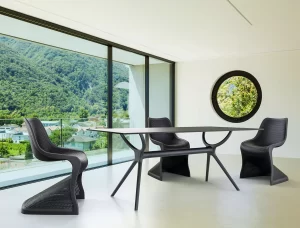

Choosing European Hospitality Chairs

A chair rarely gets much credit until service is in full swing, every table is booked, and staff are weaving through a tight floor plan with seconds to spare. That is exactly where European hospitality chairs earn their place. In busy cafés, restaurants, bars and hotels, seating has to do more than look sharp – it needs to hold up to daily use, support efficient layouts, and contribute to the overall experience guests remember.
European-inspired seating has a strong following in hospitality for good reason. It often combines clean lines, compact proportions and practical material choices in a way that suits modern commercial spaces. For venue operators, that means chairs that can help lift the look of a dining room without creating headaches for cleaning, storage or replacement planning.
Why European hospitality chairs suit commercial venues
The appeal starts with balance. Many European hospitality chairs are designed with visual restraint, which makes them easier to use across different fit-outs. A chair with a slim profile, curved back and understated finish can work in a polished bistro, a coastal café or an upmarket casual venue without fighting the rest of the interior.
That flexibility matters when you are fitting out a space that needs longevity. Trend-heavy furniture can date quickly, while overly plain seating can leave a venue feeling generic. European styles often land in the middle – distinctive enough to add character, practical enough to stay relevant over time.
There is also the question of footprint. Hospitality seating needs to respect floor space. European commercial chair designs are often compact, which helps operators fit tables comfortably while maintaining circulation paths for staff and patrons. In smaller dining rooms or high-turnover venues, that efficiency can make a real difference to service flow.
The materials make the difference
Not all stylish chairs are built for hospitality use. Commercial buyers already know that residential-grade furniture can look the part on opening day and struggle soon after. When assessing European hospitality chairs, the material specification deserves as much attention as the design.
Timber-look finishes remain popular because they soften a room and add warmth, especially in cafés and wine bars. The trade-off is that not every timber or timber-look frame performs equally under heavy use. Buyers should look for commercial-grade construction, stable joints and finishes that can cope with frequent cleaning.
Metal frames bring a different advantage. They tend to suit industrial, contemporary and high-volume venues where strength and low maintenance are priorities. Powdercoated finishes can support both durability and style, but the quality of the coating matters. In busy hospitality settings, weak finishes show wear quickly around feet rails, legs and stack points.
Polypropylene and other commercial plastics are common in both indoor and outdoor hospitality areas, especially where flexibility and wipe-down practicality are essential. They can be a smart option for venues needing quick resets, all-weather usability or lightweight seating for frequent reconfiguration. The key is choosing chairs that still present well in customer-facing spaces, rather than reading as purely functional.
Upholstered options can add comfort and elevate the look of a dining room, particularly in longer-stay settings. They are often best suited to restaurants, hotel lounges and private dining areas where the added softness supports the experience. That said, upholstery introduces maintenance considerations. Fabric selection, stain resistance and cleanability need to match the realities of the venue.
How to assess European hospitality chairs properly
The fastest way to make a poor seating decision is to choose on looks alone. In hospitality procurement, every chair should be judged against three things at once – appearance, durability and operational fit.
Start with the venue format. A compact espresso bar has very different seating needs from a full-service restaurant or a gaming lounge. In a quick-turn café, lightweight chairs that staff can move fast and clean around easily may matter more than deep comfort. In a premium dining room, comfort and finish quality may justify a heavier chair with a more refined silhouette.
Then look at table compatibility. Seat height, back height, arm clearance and leg placement all affect how neatly chairs sit with your tables. A good chair can become a poor purchase if it crowds the table base or makes access awkward for guests. This is where commercially minded selection pays off. It is not just about whether the chair looks good on its own, but whether it works as part of a full floor set-up.
Stackability is another factor buyers sometimes overlook until bump-in, cleaning or event resets become a weekly issue. Not every venue needs stackable seating, but for many operators it is a major advantage. If your layout changes often, or if chairs need to be packed away for functions, this detail can save time and labour.
Weight matters too. Chairs that are too light can feel flimsy to guests and shift too easily during service. Chairs that are too heavy can slow staff down and create handling issues. The right balance depends on the venue, but commercial spaces benefit from seating that feels solid without becoming cumbersome.
Matching style to the customer experience
European design is not one look. That is useful for hospitality buyers because the category can support a wide range of venue identities.
Bentwood-inspired forms work well where warmth, familiarity and classic café references are part of the brief. These styles often suit bakeries, neighbourhood dining rooms and venues chasing a relaxed continental feel. Sleek metal or mixed-material chairs can sharpen the look of a more modern fit-out, especially in bars, rooftop spaces and design-led casual dining settings.
For outdoor areas, the best European hospitality chairs usually combine visual lightness with weather-suitable construction. A terrace chair should still feel polished, but it also needs to handle sun exposure, cleaning cycles and regular movement. In these settings, commercial polypropylene, treated metal and practical woven finishes are often more reliable than delicate decorative materials.
Colour selection deserves a commercial lens as well. Neutral finishes usually offer the longest lifespan across changing styling updates. Black, charcoal, natural timber tones and muted whites continue to perform because they integrate easily with different table tops, flooring and wall finishes. Bolder colours can work, but they tend to be most effective as part of a deliberate concept rather than a broad, safe buy.
Procurement realities buyers should not ignore
For most venues, the seating decision is not made in a vacuum. Lead times, delivery windows, replacement access and warranty support all affect whether a product is commercially viable.
That is why stock availability matters just as much as aesthetics. A chair may suit the brief perfectly, but if it cannot be supplied in the quantity you need or replaced quickly later, it introduces risk. Hospitality spaces are living environments. Chairs get moved, knocked, cleaned, stacked and sometimes damaged. Consistent access to stock can make future top-up orders much easier.
Dispatch speed also matters more than many buyers would like. Refurbishments run late, opening dates shift, and replacement seating is often needed fast. Working with a supplier that understands operational deadlines helps reduce the gap between selection and installation.
Warranty is another practical signal. It will not tell you everything about performance, but it does indicate the supplier’s confidence in the product. For commercial buyers, that reassurance has value, particularly when furnishing larger floor areas or rolling out seating across multiple locations.
Getting the mix right across a venue
One of the strongest ways to use European hospitality chairs is not to rely on a single chair everywhere. Many venues perform better with a considered mix. Side chairs may suit the main dining floor, armchairs might frame premium tables, and stools can carry the same design language into the bar or counter area.
This layered approach gives the venue a more resolved look while supporting different use cases. The important part is cohesion. Mixed seating should feel intentional, not pieced together from unrelated ranges. Shared finishes, complementary silhouettes or consistent material tones usually do the heavy lifting here.
For buyers furnishing from a broad commercial catalogue, this is where product depth becomes especially useful. A supplier with strong category coverage can make it easier to build a coordinated seating plan without compromising on lead time or commercial suitability. Furniture Pro Australia understands that balance well, particularly for operators trying to combine design confidence with practical procurement.
The best chair choice is rarely the one that shouts the loudest. It is the one that still looks right after months of service, supports staff movement, suits the tables, fits the venue identity and can be reordered when needed. If European hospitality chairs can deliver that mix for your space, they are not just a style decision – they are a smart operational one.