



Bar Tables for Venues That Work Hard
A bar table can improve service flow or quietly get in the way of it. In busy hospitality settings, the right bar tables for venues need to do more than look sharp on opening night. They need to hold up to daily traffic, support the way staff move through the room, and help guests feel comfortable whether they are staying for one drink or settling in for a longer session.
That is where smart specification matters. Venue managers, operators and fit-out teams are not simply buying furniture. They are shaping how a space performs during peak trade, private functions and everything in between.
What bar tables for venues need to do
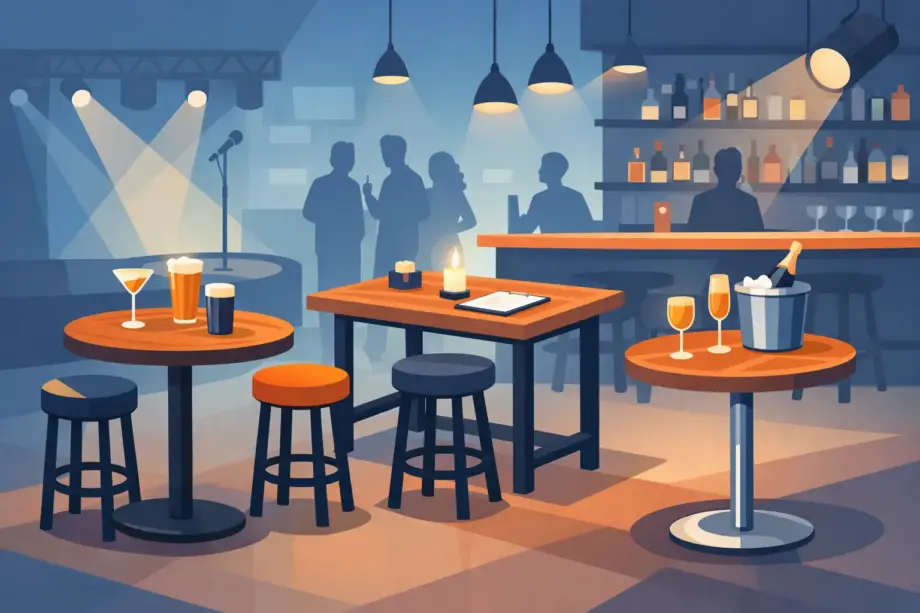
In a commercial setting, a bar table is part design feature, part operational tool. It defines standing zones, supports casual dining, fills awkward footprints and creates flexible capacity without the bulk of standard dining settings. In pubs, bars, clubs and function spaces, it can also help set the pace of service. Guests tend to use bar-height areas differently to low dining areas, which can be useful if you want a more energetic, social feel.
But there is no single best option. A small wine bar has different priorities to a sports club, rooftop venue or hotel function room. Some operators need fast-turn seating and compact footprints. Others need a polished finish that lifts the room and aligns with a more premium offer. The right choice depends on traffic, turnover, cleaning demands and how often the layout changes.
Start with layout, not just looks
It is tempting to choose based on top finish or style first, but layout should lead the decision. A bar table that looks right in a product image may feel oversized once it lands in a real floorplan.
Think about how people will move around it. In narrow venues, pedestal bases often work better than four-leg designs because they reduce trip points and make it easier to place stools neatly underneath. In function spaces, lighter tables can be useful if staff need to reconfigure the room quickly between events. In fixed hospitality layouts, a heavier base may be the better long-term option because it gives better stability in busy service periods.
Clearance matters just as much as table size. Guests need enough room to sit, stand, turn and step away without knocking into adjacent settings. Staff need carrying space around the perimeter, especially if the venue runs table service. If the plan is too tight, even a well-designed room can feel frustrating during peak hours.
Choosing the right height and proportion
Most bar tables sit around bar height, but the exact proportion still matters. The table height needs to suit the stools you are pairing with it, and the visual balance should feel intentional rather than improvised.
If stools are already in place, match the table to them first. If you are specifying both together, consider the full guest experience. A compact round top with backless stools may work well in a fast-paced bar zone, while a larger square or rectangular top with more supportive seating can suit venues that serve meals, tasting flights or longer dwell times.
There is also a practical question of what the table needs to hold. Drinks-only service allows a smaller top. Shared plates, table water, menus and condiments require more space. Operators sometimes underestimate this, then end up with attractive tables that are too small for actual trade.
Materials that suit real venue conditions
Material choice is where aesthetics and maintenance meet. Timber-look finishes can soften a space and bring warmth, while compact laminate, metal and stone-look tops often suit venues that need easy wipe-down performance and stronger resistance to spills.
For indoor use, the best option depends on the brand feel you are trying to create and the punishment the furniture will take. In high-turnover pubs and clubs, durable commercial-grade surfaces with strong edge protection generally make more sense than delicate finishes that mark easily. In boutique venues, you may accept a little more maintenance in exchange for a more refined look.
For outdoor settings, the rules tighten. Sun, rain, salt air and temperature shifts can all shorten the life of poorly specified furniture. Outdoor bar tables for venues should be made from materials designed for external use, with finishes that can handle UV exposure and moisture. A table that works beautifully indoors may fail quickly on a terrace or beer garden.
Base material matters too. Powder-coated aluminium can be a smart option where corrosion resistance and easier handling are priorities. Heavier steel bases may provide stronger anchoring in some settings, but they need the right finish for the environment. The trade-off is usually between weight, maintenance and location.
The base is doing more work than you think
Table tops usually get the attention, but the base often determines whether the table performs well over time. Wobble is one of the fastest ways to make a venue feel tired, even when the rest of the fit-out is in good shape.
A stable commercial-grade base is worth the investment, particularly on uneven surfaces or in spaces where tables are moved regularly. Large tops need appropriately sized bases to avoid tipping risk. In outdoor areas, wind exposure and surface slope should also be factored in.
This is one of those areas where cheap furniture can cost more later. Replacing unstable tables, dealing with complaints and pulling damaged stock off the floor creates disruption that most operators would rather avoid.
Matching style to venue identity
Bar tables contribute a lot to first impression because they sit at eye level and often occupy visible social zones. They should support the broader look of the venue, not compete with it.
Industrial finishes can suit breweries, casual bars and converted warehouse spaces. Cleaner metal profiles and refined tops can work well in hotels, modern restaurants and premium function areas. Timber textures often bring warmth to clubs, cafés and mixed-use hospitality settings where you want the room to feel more approachable.
Consistency matters, but so does variation. Not every zone needs the same table. Many successful venues mix bar tables with dining tables, leaners and lounge seating to create different customer experiences within the same footprint. The key is to make those transitions feel deliberate through shared finishes, complementary materials or a coherent palette.
Flexibility for changing trade
A venue rarely operates the same way every day of the week. Friday night service, private bookings, sports screenings and daytime trade all place different demands on the floor. That is why flexibility should be part of the buying decision.
Some venues benefit from bar tables that can be moved and grouped easily for events. Others need fixed, dependable positions that maintain consistent circulation paths. If the venue hosts functions, stackability, manageable weight and ease of storage may become important. If the floorplan is mostly permanent, visual durability and structural strength may take priority.
This is also where broader procurement planning helps. If you are furnishing multiple zones at once, it often makes sense to select from a supplier with commercial stock depth rather than choosing isolated pieces one by one. That approach can simplify lead times, improve consistency and make future additions easier if the venue expands or refreshes later.
Procurement details that matter after the order is placed
For business buyers, the product is only part of the decision. Stock availability, dispatch timing, warranty support and delivery coordination can be just as important, especially when the opening date is fixed or a refurb is happening during a short shutdown window.
That is why buyers often look for commercial furniture partners with Australian-held stock and clear fulfilment support. If a table arrives damaged, if extra units are needed, or if a follow-up order is required to complete another zone, responsive service becomes part of the product value. Furniture Pro Australia positions its range around that reality, with commercial-grade options built for venues that need both visual impact and dependable supply.
When to spend more, and when not to
Not every venue needs the most premium finish in every area. A front-of-house hero zone may justify a more design-led specification, while secondary areas can be kept simpler if the materials are still commercial grade and visually aligned.
The smarter approach is to spend where the return is real. High-visibility areas, outdoor spaces with harsh exposure, and tables that will be moved constantly are usually worth specifying carefully. Back sections, overflow zones or lower-intensity spaces may allow more budget control without compromising the overall result.
Good buying is rarely about choosing the cheapest or the most expensive option. It is about selecting furniture that suits the pace, layout and identity of the venue from day one, then keeps doing the job when the room is full and service is moving fast.
The best bar table is not the one that simply fills a gap on the floor. It is the one that helps the space trade better, look sharper and stay reliable long after the fit-out photos are taken.