



Commercial Rectangle Ottomans for Busy Spaces
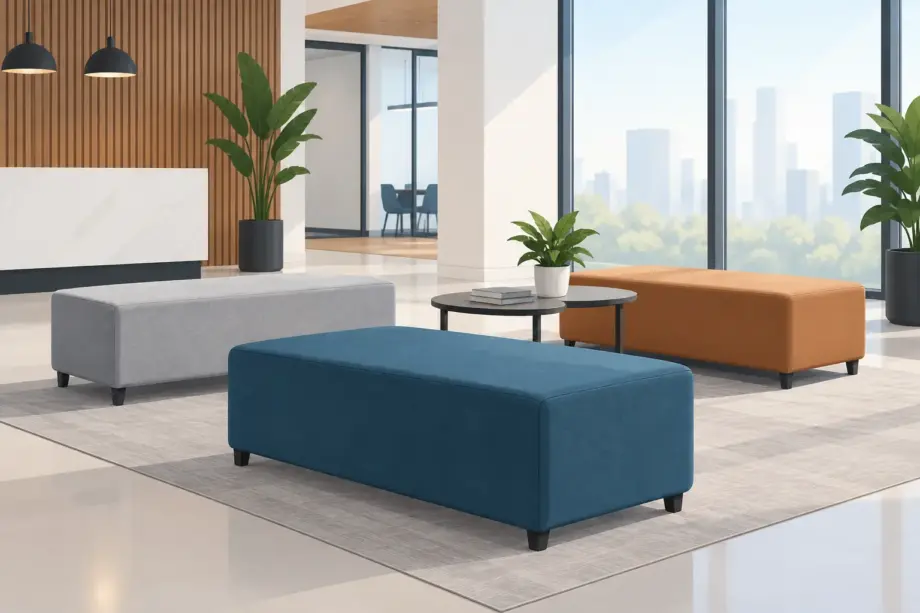
A search for ottoman rectangle commercial furniture usually starts with a simple need: add comfortable seating without committing valuable floor space to bulky lounges. For cafés, hotel lobbies, office receptions, clubs and waiting areas, the right rectangular ottoman can do far more than fill a gap. It can direct foot traffic, create flexible seating zones and give a room a more finished, deliberate look.
The challenge is selecting a piece that continues to perform after the opening rush, a full week of meetings or a busy Saturday service. Commercial furniture needs to look considered, but it also needs to suit the way people move, wait, meet and work in the space.
Why rectangular ottomans work in commercial layouts
A rectangular ottoman is one of the most adaptable furniture pieces in a commercial fit-out. Its straight edges sit neatly against walls, align with banquette seating and work well in the centre of a room. Unlike circular designs, rectangles can be positioned end to end to form a longer bench, or arranged at right angles to define an informal lounge area.
This geometry matters when every square metre has a job to do. In a reception area, a slim rectangular ottoman can provide visitor seating without narrowing the walkway to the counter. In a hospitality setting, several matching pieces can separate a lounge zone from dining tables while keeping the space open and easy to navigate.
They also offer a quieter visual alternative to conventional seating. A low upholstered form can soften a room filled with hard-edged tables, joinery and flooring. The result is a more welcoming space without introducing unnecessary visual clutter.
Start with the job the ottoman needs to do
Before choosing fabric, colour or dimensions, establish its primary role. A commercial rectangle ottoman used for short-stay reception seating needs a different build from one that will act as a footrest in a hotel lounge or a shared perch in a staff breakout area.
Reception and waiting areas
Waiting-room ottomans should make entry and exit easy. Choose a height that is comfortable for a broad range of visitors to sit down and stand up from, and leave clear circulation space around the piece. A firmer commercial foam is often the better choice here, as it holds its shape and looks tidy across frequent use.
Consider whether the ottoman will need to be moved by staff for cleaning or reconfiguration. Medium-sized individual units are easier to reposition than one oversized piece, particularly in compact foyers and medical or professional service environments.
Hospitality lounges and venue spaces
In pubs, clubs, restaurants and hotel common areas, ottomans often serve several purposes across one service period. Guests may use them for seating, resting a bag or briefly placing a drink tray. This makes stability, upholstery durability and cleanability central to the specification.
A lower profile can create a relaxed lounge feel when paired with armchairs and coffee tables. However, it should not be so low that it becomes awkward for diners or older patrons. The best height depends on the adjacent furniture and the style of service your venue provides.
Offices and breakout zones
Workplaces benefit from ottomans because they support casual, short-form meetings without making every conversation feel formal. Rectangular units can be grouped around a coffee table, lined along a window or used to create a touchdown zone beside an office pod.
For offices, look beyond appearance. The upholstery should tolerate daily contact, while the overall size should allow employees to move through the area with laptops, bags and coffee in hand. In high-use spaces, a design with a strong internal frame and quality feet will offer better long-term value than a lightweight occasional piece.
Specify commercial materials, not just a commercial look
Many ottomans look similar online, but their materials determine how they perform in an operating venue. Commercial-grade construction is about more than a stylish finish. It includes the frame, foam density, upholstery abrasion resistance, stitching quality and the way the base handles repeated movement.
Upholstered fabric delivers warmth and acoustic softness, making it a popular option for offices, hotel lobbies and lounge-style venues. For high-traffic areas, select a hard-wearing commercial upholstery that can be maintained as part of the regular cleaning routine. Mid-tone shades, textured weaves and subtle patterns are practical choices because they are generally more forgiving between cleans than very pale, flat fabrics.
Vinyl or other wipeable upholstery may suit cafés, clubs and family-focused venues where spills are more likely. It is practical and efficient to clean, although the finish should still complement the surrounding seating rather than making the area feel overly clinical. In a premium setting, material selection may come down to balancing easy maintenance with the tactile quality guests expect.
The base deserves equal attention. Timber legs can bring warmth to a hospitality interior, while metal or low-profile plinth bases often suit contemporary office and reception spaces. Raised legs make it easier to clean underneath, whereas a fully upholstered base creates a more grounded, lounge-like appearance. Neither is automatically better – the right choice depends on the cleaning requirements, flooring and visual direction of the project.
Get dimensions and circulation right
An ottoman that fits on a floor plan can still feel wrong once people begin using the room. Measure the available footprint, then consider how the space operates at its busiest. Include door swings, accessible paths, queue lines, table service routes and cleaning access in the decision.
A narrow rectangle is effective along walls, at the end of beds in accommodation settings or in corridors with generous width. A deeper unit works better as central seating, particularly where guests will approach it from more than one side. If the ottoman is intended to pair with a coffee table, allow enough space for knees, bags and comfortable movement between the two.
Modular planning can reduce risk in larger projects. Rather than relying on one long unit, use multiple matching ottomans that can be rearranged as the venue changes. This is useful for function rooms, flexible office areas and hospitality spaces that host private events. It also makes future replacement simpler if one item experiences heavier wear than the others.
Use colour and form to support the wider fit-out
An ottoman should connect the room rather than compete with it. If your chairs, stools and tables already carry strong colour or material contrast, a neutral ottoman can settle the scheme. Charcoal, olive, warm grey, tan and deep blue are dependable options for busy commercial environments, depending on the palette and lighting.
For a quieter interior, an ottoman is an opportunity to introduce controlled colour. A rich rust, green or blue can anchor a reception zone or hospitality lounge without requiring a major redesign. The key is to repeat that colour elsewhere in a small but intentional way, such as in cushions, artwork, upholstery accents or signage.
Scale affects appearance too. A low, long ottoman can make a ceiling feel higher and a room feel more expansive. Several compact rectangular pieces add rhythm and flexibility, but too many small items can create visual noise. Larger open-plan areas generally benefit from fewer, more substantial pieces.
Plan for procurement, delivery and ongoing use
For commercial buyers, the best option is not simply the ottoman that photographs well. It is the one that suits the brief, is available when the project needs it and comes with clear support after purchase. Check stock availability early, particularly when furnishing multiple zones or working towards a site opening date.
Confirm dimensions, upholstery selection and delivery access before ordering. Measure lifts, doorways, loading areas and any tight turns between the delivery point and final location. A well-chosen piece is still a problem if it cannot reach the floor where it is needed.
It is also sensible to align ottoman choices with the wider furniture schedule. Matching or complementary chairs, tables and lounges create a cohesive finish, while a coordinated supplier approach can simplify ordering and delivery. Furniture Pro Australia supports business buyers with commercial furniture options designed for hospitality, office and outdoor spaces, helping projects move from specification to installation with greater confidence.
A rectangular ottoman earns its place when it makes the room easier to use and better to experience. Select for the real demands of the space – traffic, cleaning, layout and guest comfort – and it will remain a useful part of the fit-out long after the first impression has done its job.