


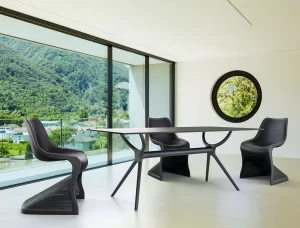

Timber Versus Metal Tables for Commercial Spaces
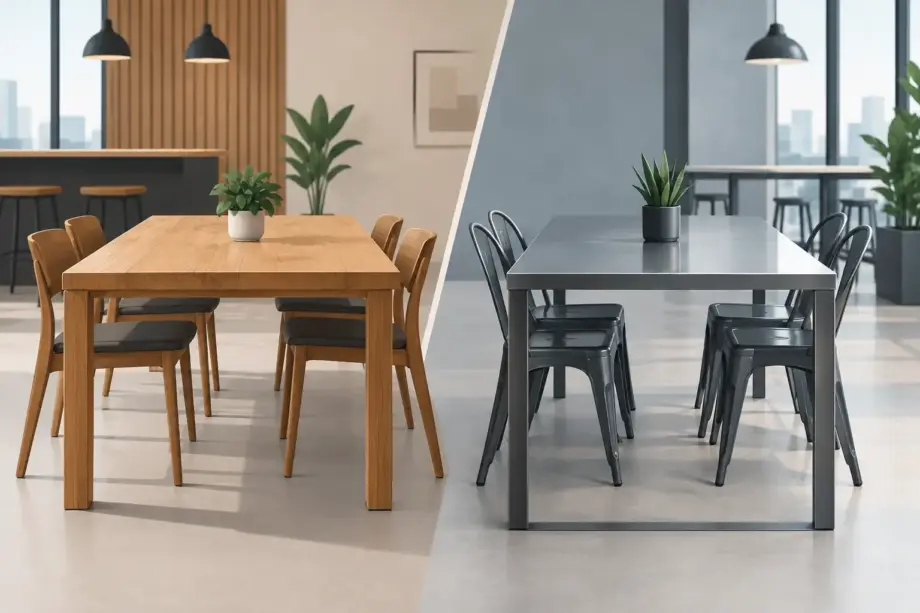
A table does more than fill a floor plan. It sets the visual temperature of a café, affects how quickly staff can reset a dining room, and needs to keep looking presentable through daily service. When weighing up timber versus metal tables, the right choice comes down to where the table will sit, how hard it will work and the atmosphere your customers or team should experience.
For many commercial fit-outs, the best answer is not strictly one material or the other. A timber top with a metal base, for example, can deliver warmth at eye level with the stability and practical footprint needed on the floor. The key is choosing a construction and finish that suit the operational reality of your venue.
Timber versus metal tables: start with operating conditions
Before choosing a colour, profile or table base, consider the setting. A quiet office breakout zone has very different demands to a busy bistro, pub beer garden or beachfront café. Spills, UV exposure, moving furniture, cleaning chemicals and high customer turnover all influence which material will offer the better return over time.
Timber tables are often selected for indoor hospitality spaces, meeting rooms and reception areas because they create a welcoming, considered finish. Natural grain brings character that laminate and painted surfaces cannot fully replicate. It works particularly well in cafés, restaurants and clubs aiming for a relaxed, premium or contemporary Australian feel.
Metal tables are a practical choice where durability, easy cleaning and a sharper visual profile are priorities. They suit industrial-style venues, modern lunchrooms, commercial outdoor areas and high-use staff spaces. Metal can also be lighter and easier to reposition, depending on the frame, tabletop and base configuration.
The distinction is not always as simple as it appears. Solid timber, veneer, compact laminate, powder-coated steel, aluminium and mixed-material designs all perform differently. Ask what the table is made from, how it is finished and whether it is rated for commercial indoor or outdoor use before making a decision based on appearance alone.
The case for timber tables
Timber offers immediate visual warmth. In a hospitality setting, it softens hard surfaces such as concrete, tile, glass and exposed brick. In offices, it can make collaboration spaces and boardrooms feel less formal without compromising a professional look.
A quality timber tabletop also gives each piece a degree of individuality. Grain variation, knots and tonal changes are part of the appeal, particularly in venues that want furniture to feel established rather than mass-produced. Darker stains can suit moody bars and refined dining rooms, while pale oak-style finishes work well in daylight-filled cafés, health clinics and contemporary workplaces.
For indoor use, timber is comfortable to touch and generally forgiving in visually busy spaces. Minor marks may blend into the grain more naturally than they would on a smooth painted surface. That said, timber still requires a care routine. Wipe spills promptly, avoid leaving wet glasses on the surface for extended periods, and use cleaning products recommended for the finish.
Outdoor timber needs more careful consideration. Even when a timber table is suitable for exterior use, weather exposure can change its colour and condition over time. Rain, intense sun, salt air and temperature changes can cause movement, fading or surface deterioration if the material is not correctly sealed and maintained. Covered patios and sheltered courtyards are often better environments for timber than fully exposed dining areas.
Timber can also carry a higher upfront cost, especially where solid hardwood construction is involved. However, for customer-facing spaces where atmosphere supports the overall offer, that investment can be justified. A well-selected timber table can remain visually relevant through several interior refreshes.
Where metal tables perform best
Metal tables are built for places where furniture works hard. Powder-coated steel and aluminium designs are commonly chosen for cafés, food courts, pubs, outdoor terraces and staff dining areas because they stand up well to regular wiping, movement and commercial use.
Aluminium is especially useful outdoors because it is lightweight and naturally resistant to corrosion. This makes it easier for staff to move tables for service changes, functions or daily pack-down. It is also a strong option for balconies, poolside settings and exposed courtyards, provided the complete table, including fixings and base, is designed for outdoor conditions.
Steel brings a more substantial feel and can suit indoor dining, warehouse-style offices and hospitality venues with an industrial or contemporary edge. Powder coating expands the colour options considerably, from classic black and white to warmer neutral tones that work with a more tailored interior scheme. The coating needs to be maintained, however. Chips or deep scratches should be addressed early, particularly in coastal or wet environments where exposed metal may corrode.
Metal tabletops are often the easiest to clean quickly between customers. They suit venues where tables are frequently moved together for large bookings or separated for smaller groups. Their clean lines also make them effective in compact spaces, where a visually light base can help preserve a sense of room.
The trade-off is that metal can feel cooler and more utilitarian if it is used without softer materials nearby. Upholstered seating, planting, timber accents or warmer lighting can balance the look. Metal surfaces may also become hot in direct sun, so outdoor placement matters as much as material selection.
Table bases matter as much as tabletops
A table is only as practical as its base. Whether you choose timber or metal, the base needs to provide dependable stability on the flooring in your venue. A wobbly table is more than an annoyance. It affects customer comfort, creates spill risks and reflects poorly on the overall fit-out.
Central pedestal bases are popular in cafés and restaurants because they allow diners to sit comfortably around the table without legs getting in the way. Four-leg frames can provide a familiar, residential-style appearance and are often easier to position across a larger floor plan. For communal dining and meeting spaces, trestle or beam bases can support longer tops while keeping the layout organised.
Metal bases are frequently paired with timber tops for good reason. They give designers flexibility with table size and shape while helping the piece handle commercial traffic. This combination suits everything from round café tables to large communal tables, and it can make replacement or future refurbishment simpler if tabletop and base are specified separately.
Check the base footprint against the tabletop dimensions. A large, heavy top on an undersized base can become unstable, while an oversized base may restrict chair placement and reduce usable space. Adjustable feet are worthwhile where floors are uneven, particularly in older buildings and outdoor areas.
Maintenance, cleaning and whole-of-life value
The most economical table is not always the one with the lowest purchase price. A commercial buyer should consider cleaning time, likely repairs, replacement frequency and how the furniture will look after sustained use. A table that appears tired within a year can undermine an otherwise well-designed venue.
Timber generally needs a gentler cleaning approach and periodic attention to retain its finish. This is manageable in a venue with appropriate procedures, but it should be factored into operations. If a table is likely to receive constant exposure to water, food acids or harsh cleaning products, a sealed timber finish or alternative tabletop material may be the more practical choice.
Metal is usually easier for fast, routine cleaning, although the right products still matter. Abrasive pads and aggressive chemicals can damage powder-coated surfaces or leave stainless finishes dull. Regular checks for scratches, loose fixings and early signs of corrosion will extend the usable life of outdoor metal furniture.
For busy hospitality venues, it can be sensible to keep a consistent table range that is easy to add to later. Matching replacement tables, tops or bases helps preserve visual cohesion when expansion, damage or floor plan changes occur. This is particularly useful for operators with multiple locations or seasonal outdoor areas.
Choosing the right look for your customers
Material selection should support the experience you are selling. Timber tables suit spaces where guests are encouraged to settle in, share food and stay awhile. They can make a compact café feel more inviting and add depth to a restaurant interior that needs character.
Metal tables suit a faster-paced, clean-lined setting and can be ideal where flexibility is essential. They work confidently alongside outdoor chairs, bar stools and modular seating, especially when tables need to be moved, stacked or reconfigured for events.
For offices, the choice depends on culture and use. Timber can make meeting and breakout areas feel more welcoming, while metal-frame tables offer a contemporary, practical solution for training rooms and shared work zones. A mixed palette often gives the strongest result: timber in client-facing or collaborative areas, metal in high-traffic utility spaces.
Furniture Pro Australia offers commercial table options designed to help venues, offices and outdoor spaces look considered while meeting day-to-day demands. Choose the material that suits how your space actually operates, then let the finish, base and seating complete the picture.