



Are Polypropylene Chairs Weatherproof Outdoors?
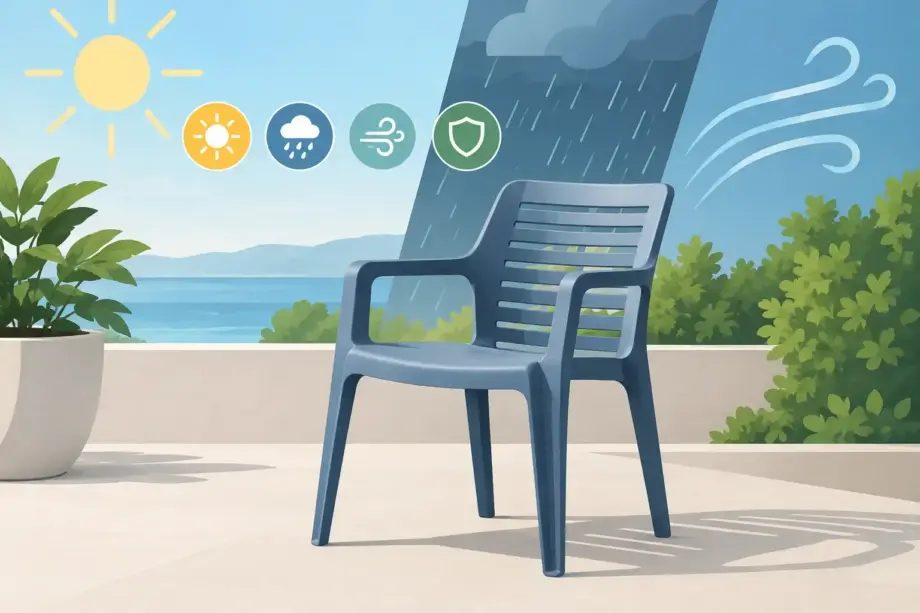
A busy café courtyard cannot pause service every time the weather turns. Chairs need to handle a sudden shower, hot summer sun and the daily movement of customers without becoming a maintenance problem. So, are polypropylene chairs weatherproof? In most cases, yes – provided the chair is designed for outdoor commercial use and is matched to the conditions of the site.
Polypropylene is a practical material for hospitality terraces, poolside areas, club balconies and casual dining spaces because it does not absorb water like timber or corrode like untreated metal. It is lightweight, easy to clean and available in shapes and colours that suit contemporary commercial fit-outs. However, weatherproof does not mean maintenance-free or indestructible. Sun exposure, coastal air, heavy use and product construction all affect how a chair performs over time.
Are polypropylene chairs weatherproof in all conditions?
A quality outdoor polypropylene chair is made to withstand rain, moisture and everyday temperature changes. The non-porous surface means water sits on the chair rather than soaking in, so it will not swell, rot or develop the rust issues associated with some metal furniture. After rain, chairs can generally be wiped down or left to air dry before service resumes.
That makes polypropylene a strong choice for uncovered outdoor areas. It is particularly useful where furniture needs to be moved regularly, stacked after closing or cleaned quickly between sittings. For venues that need an efficient, polished outdoor setup, these practical benefits are hard to overlook.
The qualification is UV exposure. Standard polypropylene can become brittle, fade or lose some surface finish after prolonged direct sunlight. Outdoor-rated chairs are usually manufactured with UV stabilisers or additives that help the material resist deterioration. When comparing products, buyers should look beyond the word “polypropylene” and confirm that the chair is specified for outdoor use.
What weather affects polypropylene chairs?
Australia’s climate places outdoor furniture under real pressure. A chair that performs well in a covered Melbourne laneway may face a much harder working life beside a bright Gold Coast pool or on an exposed Perth rooftop.
Rain and moisture
Rain is one of polypropylene’s advantages. The material does not take on moisture, making it suitable for open-air dining, wet pool surrounds and areas where chairs may be washed down. Dirt can collect in textured surfaces, joints and under the seat, but this is a cleaning issue rather than water damage.
If a chair includes a steel frame, metal fasteners or upholstered cushions, assess those components separately. A polypropylene shell or seat does not make every part of the finished chair weatherproof.
UV and direct sunlight
The sun is the main long-term consideration. UV-stabilised polypropylene is far better suited to exposed outdoor use than indoor-grade plastic, but even commercial outdoor furniture will age when left in intense sunlight year after year. Dark colours may show heat and surface wear differently from lighter shades, while bright colours can gradually soften in tone.
For hospitality operators, this does not necessarily rule polypropylene out. It simply makes product specification and placement more important. A UV-rated chair positioned under umbrellas, awnings or shade sails will usually retain its appearance longer than the same chair left in full western sun every afternoon.
Heat and temperature changes
Polypropylene can get hot in direct sun, especially in darker colours. This may affect customer comfort on a summer afternoon, even though it does not mean the chair has failed. Consider pale or mid-tone colours for exposed seating, or use movable shade where practical.
Extreme heat can also make plastic furniture more vulnerable to distortion if it is poorly manufactured or placed beside a strong heat source. Keep chairs away from commercial heaters, fire pits, barbeques and hot equipment. For normal outdoor temperatures, a commercial-grade chair should perform reliably.
Coastal environments
Polypropylene itself is not susceptible to salt corrosion, which is a useful advantage for beachside venues and waterfront balconies. Salt spray can still affect any metal fittings, frames or screws, and airborne sand can create surface abrasion over time. A one-piece moulded polypropylene chair is often the simplest option for high-salt locations because there are fewer materials and joins to manage.
Not every polypropylene chair is built for commercial outdoor use
Material is only one part of the buying decision. A lightweight domestic chair may be labelled polypropylene yet not be suited to constant use in a restaurant, club or workplace breakout area. Commercial venues should assess the full construction, expected load and warranty conditions before ordering.
Look for chairs described as commercial grade and suitable for outdoor use. UV resistance, stackability, weight rating and warranty coverage are relevant details, particularly for procurement teams fitting out larger spaces. One-piece injection-moulded chairs are popular because they are simple to clean and have no exposed hardware, while reinforced models may offer greater stability for high-turnover areas.
The base design also matters. Wide feet and a stable profile are helpful on paving, decking and uneven outdoor surfaces. If chairs will be stacked, check the recommended stack height and allow enough storage space to avoid scuffing or warping under excess weight. For venues with frequent furniture movement, a chair that is easy for staff to lift can save time at opening and close.
Choosing polypropylene chairs for your setting
Start with the exposure level rather than choosing by appearance alone. Undercover alfresco dining can accommodate a broader range of polypropylene seating, including styles with finer profiles or mixed materials. An exposed rooftop, school courtyard or pool deck calls for outdoor-rated, UV-stabilised chairs with a proven commercial specification.
Think about the operational pattern too. A café that packs chairs away each evening may be comfortable selecting a lighter stackable model. A hotel pool area where chairs remain outdoors continuously needs a finish that can cope with sun, chlorine splash and frequent cleaning. In a coastal venue, minimise metal components where possible and establish a regular rinse-down routine.
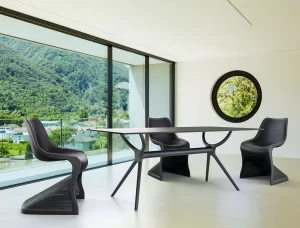
Visual cohesion still matters. Polypropylene chairs are available in sculptural silhouettes, classic bistro-inspired forms and clean-lined contemporary styles. They can help reimagine an outdoor hospitality space without introducing a high-maintenance material. Choose a colour that supports the venue’s palette, but allow for the fact that sun-facing furniture will naturally show age sooner than furniture under cover.
Care that extends the working life of outdoor chairs
Routine care is straightforward and worthwhile. Wash chairs with mild soap, warm water and a soft cloth, then rinse away residue. Avoid abrasive pads, strong solvents and harsh cleaners that may dull the surface. A soft brush can help lift dirt from textured areas and feet.
At least once each season, inspect chairs for hairline cracking, loose feet, distortion or damaged glides. Remove damaged chairs from service before they become unstable. For furniture kept outdoors through winter or during quiet periods, stacking it under cover or using breathable furniture covers will reduce unnecessary exposure to grime and UV.
Do not drag chairs across rough concrete or pavers if it can be avoided. This is less about weather resistance and more about protecting the legs, glides and overall finish. Staff handling habits have a real effect on how presentable furniture remains during a busy trading year.
When polypropylene may not be the best option
Polypropylene is not the automatic answer for every exterior. In prestige dining settings, a heavier aluminium, timber-look or woven dining chair may better suit the desired aesthetic. In extremely windy locations, lightweight polypropylene seating may need to be brought inside or selected with a more substantial base. For long-duration lounging, a purpose-designed outdoor lounge or sunlounger will offer better comfort than a dining chair.
It also pays to separate weather resistance from style preference. A chair can be suitable outdoors but still be the wrong height, shape or scale for the tables and traffic flow in your venue. Test proportions across the full setting, including chair spacing, access paths and the number of seats required at peak trade.
For commercial buyers, polypropylene chairs offer an efficient balance of weather resistance, cleanability and contemporary design – especially when the product is genuinely outdoor rated. Furniture Pro Australia can assist venues in selecting commercial seating that suits the exposure, pace and visual character of the space, so the outdoor area is ready for service rather than constant upkeep.