


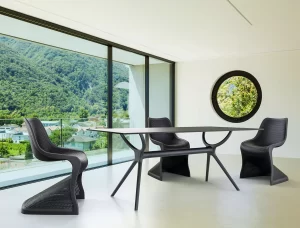

Choosing Commercial Outdoor Furniture Packages

A bare courtyard can cost you tables at lunch. A poorly planned terrace can create bottlenecks for staff, wobbling settings for guests and a replacement bill far sooner than expected. That is why commercial outdoor furniture packages are not just a styling shortcut – they are a practical buying decision for venues, offices and shared commercial spaces that need to look right and perform every day.
For hospitality operators, facilities managers and fit-out teams, the appeal is clear. Buying in a package can speed up procurement, create visual consistency and remove the guesswork from matching chairs, tables, lounges or sunloungers across a space. But the best result comes from choosing a package that fits the way your site actually works, not simply the one that looks good in a product image.
Why commercial outdoor furniture packages make sense
When you are furnishing an outdoor area at scale, piecing together every item one by one can slow the project down. You end up comparing finishes, checking seat heights, reviewing lead times and trying to make separate products feel intentional. Packages reduce that friction.
They are particularly useful when the brief calls for speed and cohesion. A café opening date does not move because the chairs and tables came from different suppliers and now the colours are slightly off. A hotel pool deck still needs to be ready for guests, even if the decision-making has been delayed. A package helps bring structure to the process.
There is also a commercial logic behind grouped buying. In many settings, outdoor furniture needs to do several jobs at once. It should support customer comfort, align with your brand presentation and hold up under frequent use, weather exposure and regular cleaning. A well-selected package accounts for those competing needs better than an ad hoc purchase often does.
Start with the space, not the furniture
The most common mistake in outdoor procurement is choosing products before defining how the area will operate. A package should be selected around service style, traffic flow and capacity targets.
A quick-service café may need compact two-seater settings that can be reconfigured easily during busy periods. A pub beer garden usually benefits from a mix of dining tables and more relaxed seating zones, especially if customers stay longer across the afternoon and evening. A commercial office terrace might need breakout settings that support informal meetings without feeling too corporate.
This is where scale matters. Large chairs can make a compact footpath dining area feel cluttered. Lightweight pieces may be useful for flexible layouts, but in windy locations they can become a liability. Sunloungers look the part around a pool, yet they need adequate spacing for circulation and cleaning access. The right package supports the way the site is used on an ordinary day, not just how it looks in a styled photo.
What to look for in commercial outdoor furniture packages
Commercial buyers should assess a package the same way they assess any operational asset – by appearance, yes, but also by durability, maintenance demands and replacement practicality.
Materials are the first test. Aluminium is popular for good reason. It is relatively lightweight, corrosion-resistant and suitable for many hospitality environments. Polypropylene and resin-based seating can work well for casual venues because they are easy to clean and generally handle weather exposure better than lower-grade alternatives. Timber can bring warmth, but it may also require more ongoing care depending on species, finish and exposure. Steel can be strong and visually sharp, though treatment and coating quality matter greatly outdoors.
Then there is table construction. Outdoor tabletops should be considered for heat, moisture and frequent wipe-downs. Bases need stability on the surface they will sit on, whether that is decking, concrete, pavers or grass-adjacent hardstand. One unstable table can shape a guest’s perception of the whole venue.
Warranty and stock availability matter too. Commercial projects rarely have the luxury of waiting through uncertain supply windows, especially when fit-out schedules are locked in. Packages backed by Australian-held stock, fast dispatch and clear after-sales support give buyers far more confidence than a good-looking range with vague fulfilment.
Matching the package to your venue type
Not every outdoor setting needs the same balance of comfort, flexibility and visual impact. A restaurant courtyard usually calls for dining-focused packages with comfortable but upright seating, practical table spacing and finishes that support a polished presentation. The furniture has to encourage guests to settle in, while still allowing efficient service.
For cafés, stackability often becomes more important. If bump-in, bump-out or nightly pack-down is part of the routine, the package should make that easy. Too much weight or awkward shapes can add labour every single day.
Hotels, resorts and clubs often need zoning. The dining area, poolside and casual lounge section may all be outdoors, but they serve different purposes. In that case, one package may not be enough. A coordinated mix of package types can create a more useful and premium-feeling environment than forcing one setting across every zone.
Office environments sit in a slightly different category. Outdoor furniture here often supports staff amenity, informal collaboration and tenant appeal. Comfort matters, but so does clean design and long-term durability. The best package for an office terrace tends to feel professional without becoming sterile.
Design cohesion matters more than trend
Outdoor areas are often the first thing people notice and the last thing buyers specify. That mismatch can hurt the finished result. A package should help create cohesion between your indoor and outdoor areas, especially in hospitality settings where the customer experience flows across both.
The safest buying decision is usually not the most fashionable finish of the moment. It is the package that suits your brand, works with your façade or fit-out palette and still looks current in a few years. Neutral bases with distinctive chairs, or simple chairs paired with a more character-driven tabletop, can give you that balance.
This is where curated package options are useful. They narrow the field without limiting choice to the point where every venue ends up looking the same. A commercially minded range should give buyers enough flexibility to achieve a tailored result while still benefiting from the speed and consistency of packaged procurement.
Procurement realities buyers should not ignore
A good package on paper can still be the wrong package if it creates friction after purchase. Delivery timing, assembly requirements, replacement access and cleaning practicality all affect the real cost of ownership.
If your venue is in a metro area and working to a tight schedule, dispatch speed may be the deciding factor. If your site has difficult access, modular items or stackable seating can make installation much easier. If you operate in a high-turnover hospitality environment, the ability to reorder matching pieces later is often more valuable than a slightly lower upfront price.
This is where a specialist supplier becomes useful. A broad commercial catalogue makes it easier to compare outdoor chairs, tables, lounges and sunloungers by use case rather than by trend alone. At Furniture Pro Australia, the focus on commercial-grade stock, fast fulfilment and practical service reflects what buyers actually need once the mood board has been approved.
When a package is the wrong choice
Packages are efficient, but they are not always the answer. Some venues have unusual footprints, heritage constraints or highly specific design briefs that call for a more customised mix. Others need staged procurement, where one zone is furnished now and another later.
There are also operational cases where a standard package can be too rigid. A multifunction event space, for instance, may need furniture with broader interchangeability rather than a fixed package composition. In those situations, buying by category with a coordinated visual plan may be the better route.
The key is not to treat packaged buying as automatic. Treat it as one procurement tool. When the package aligns with your site plan, usage level and brand presentation, it can save time and create a stronger result. When it does not, forcing the fit usually costs more later.
Making the final call on commercial outdoor furniture packages
The strongest outdoor spaces are rarely the ones with the most expensive furniture. They are the ones where every piece feels considered – the seating suits the dwell time, the materials suit the exposure, the layout supports service, and the overall look feels consistent with the business behind it.
That is the real value of commercial outdoor furniture packages. Done well, they simplify buying without making your venue feel generic. They help you move faster, furnish with more confidence and create outdoor areas that are ready for daily trade, not just opening day photos.
If you are selecting for a new fit-out or replacing tired settings, give as much attention to operations as appearance. The right package should earn its place every day through comfort, durability and a layout that helps your space work harder.