


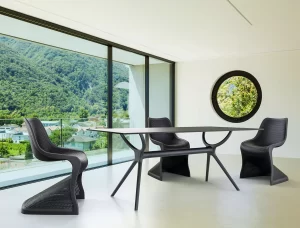

How to Furnish Office Breakout Areas Well

A breakout area that never gets used usually has the same problem – it was furnished as leftover space, not as a working part of the office. Staff can tell the difference straight away. If you are deciding how to furnish office breakout areas, the goal is not simply to fill a corner with a lounge and coffee table. It is to create a space people actually choose for informal meetings, short resets, focused solo work and everyday connection.
In a commercial fit-out, breakout areas need to perform. They sit between the formality of meeting rooms and the structure of workstations, so the furniture has to do more than look good in a plan. It has to support movement, daily wear, different postures and changing team needs, while still aligning with the broader office aesthetic.
How to furnish office breakout areas with purpose
The first decision is not furniture. It is function. Some breakout areas are designed for quick coffee breaks and casual chats. Others need to support laptop work, project catch-ups or visiting clients. A larger office may need several breakout zones with different roles rather than one oversized shared space trying to do everything.
That is where many fit-outs go off track. A lounge setting may look polished, but if your team regularly uses the area for short meetings, low seating without accessible table height can make the space awkward. On the other hand, a row of café tables might suit quick conversations but feel too exposed for staff trying to step away from their desks. The right furniture mix depends on how the area will be used most often, not how it looks in a concept board.
Start by identifying the primary use, then the secondary use. If the main role is informal collaboration, your furniture should support eye contact, easy access and flexible seating. If the space is more of a recharge zone, comfort and acoustic softness matter more than high-turnover seating density.
Match the furniture to the style of interaction
Breakout spaces work best when the furniture makes the intended behaviour feel natural. For casual interaction, that usually means a mix of seating types rather than one repeated format across the whole area.
Soft seating for relaxed conversation
Commercial lounges, modular sofas and upholstered armchairs bring an immediate sense of separation from the workstation floor. They work well in offices where breakout areas are meant to reduce formality and encourage short, low-pressure conversations. A modular lounge can be especially useful in larger open-plan environments because it can define the zone without building walls.
The trade-off is that soft seating takes up more room and can reduce flexibility if the area also needs to accommodate ad hoc team discussions with devices or paperwork. In that case, pair lounge pieces with occasional tables that are stable enough for coffee, notebooks and light laptop use.
Café-style seating for versatility
Tables with dining or visitor chairs often deliver the best balance of comfort, usability and floor efficiency. They suit breakout spaces that need to handle everything from lunch breaks to quick one-on-ones. In practical terms, this setup is also easier to clean, easier to reconfigure and often better for higher-use environments.
The key is avoiding a lunchroom feel unless that is the intended use. Material selection, table shape and chair style all influence whether the space feels polished and integrated with the office fit-out.
High bars and stools for short-stay use
Bar tables and stools are useful when you want a more energetic feel or need to maximise a smaller footprint. They encourage brief conversations, stand-up collaboration and fast turnover. They are especially effective near kitchenettes or transition zones where people naturally pause.
Still, they should not be the only option. Not every staff member will find stool seating comfortable or accessible, and a breakout area should cater to a wider range of users than a quick perch by the coffee machine.
Plan the layout before choosing finishes
One of the simplest ways to improve a breakout area is to give it enough space around the furniture. Commercial buyers often focus on seat count, but circulation matters just as much. If chairs scrape into walkways or lounges sit too close to workstations, the space becomes frustrating to use.
Keep the layout intuitive. People should be able to enter, sit, move a chair and leave without disrupting others. In open offices, furniture placement can also help signal how the zone should be used. A cluster of armchairs angled inward invites conversation. Shared tables arranged linearly feel more functional and task-oriented.
Scale matters here. Oversized lounges in a compact footprint make the space feel crowded, while tiny café settings in a large breakout zone can look temporary and underdone. A well-furnished area looks proportionate, with enough visual weight to feel intentional.
Choose commercial-grade materials that hold up
Breakout areas attract constant use, often by people carrying coffee, food, laptops and bags. Domestic furniture rarely holds up in that setting. Commercial-grade construction is worth prioritising from the start, especially for businesses managing ongoing occupancy and presentation standards.
For upholstered seating, look for fabrics or finishes suited to high-traffic use and easy maintenance. In food-adjacent spaces, wipeable surfaces may be the smarter choice. For tables, durable tops such as compact laminate or hard-wearing commercial finishes can reduce visible wear over time.
There is also a practical argument for choosing furniture with strong warranties and reliable stock availability. When one piece is damaged or a team expands, it is far easier to maintain consistency if replacements are available locally and dispatch times are clear. That matters for offices trying to avoid long fit-out delays or mismatched add-ons six months later.
Use colour and texture to separate the zone
A breakout area should feel distinct from the main work area, but it still needs to belong to the wider office. The most effective way to do that is through a controlled shift in colour, material and silhouette.
If the workstation area is clean and minimal, the breakout zone can introduce warmer timber tones, textured upholstery or softer curves. If the office already has a strong palette, repeat those colours in a more relaxed furniture profile so the area feels connected rather than disconnected.
This is where design-conscious buying makes a difference. You do not need a large number of statement pieces. A consistent combination of chairs, tables and lounges with commercial-grade finishes often creates a stronger result than a more decorative mix that lacks cohesion.
Add flexibility without making it feel temporary
The best office breakout areas can adapt without looking improvised. Lightweight chairs, modular seating and movable side tables all help a space support different users across the day. Morning coffee catch-up, midday lunch, late-afternoon project chat – the furniture should be able to support each one with minimal effort.
That said, flexibility should not come at the cost of stability. Furniture that is too light, too small or too easily shifted can make the area feel unsettled. In most commercial settings, a balanced approach works best: anchor the zone with a few substantial pieces, then build in movement through secondary seating and tables.
For larger offices, it can also be worth combining open breakout furniture with more enclosed options nearby, such as acoustic booths or office pods. That gives staff greater choice without forcing one area to solve every workplace need.
How to furnish office breakout areas for real office use
A breakout area has to work on a busy Wednesday, not just on handover day. That means thinking beyond aesthetics to maintenance, cleaning access, power needs and user behaviour.
If staff regularly work from the area, table height and charging access become more important. If the space sits near an entry or client-facing zone, the furniture should present well throughout the day, even under heavy use. If food is part of the space, finishes need to cope with spills and daily cleaning.
It is also worth checking how the area sounds once furnished. Hard surfaces can make a breakout zone feel louder than expected, particularly in open-plan offices. Upholstered seating, screens, rugs where suitable, and better spacing can all help soften noise without compromising practicality.
Procurement teams and office managers also need to think about lead times, delivery conditions and after-sales support. A breakout fit-out usually sits within a wider project, so reliable dispatch and commercial service matter just as much as the furniture specification itself. That is one reason many buyers prefer sourcing from a supplier with broad category coverage and Australian-held stock, rather than piecing the space together across multiple channels.
Well-furnished breakout areas do not happen by accident. They come from making a few sound decisions early: define the job of the space, choose furniture that supports that use, and buy for the realities of a working office. When you get that balance right, the breakout area stops being spare floor space and starts earning its place every day.