


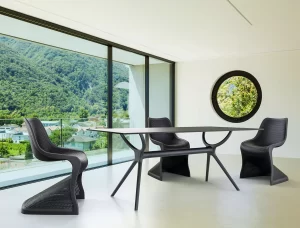

Choosing Stackable Chairs for Venues

When a venue flips from breakfast service to a private function by mid-afternoon, the wrong seating slows everything down. Stackable chairs for venues earn their place because they help teams reset layouts quickly, store surplus seating neatly, and keep the floor looking polished while service keeps moving.
Why stackable chairs for venues make commercial sense
For most operators, seating is not just a design choice. It affects labour, storage, cleaning and floor flexibility. A chair that looks good in a showroom but stacks poorly, scuffs easily or feels awkward to move can create small operational headaches every day.
That is why stackable seating is a practical fit for hospitality and event environments. Cafes use it to manage peak periods without overcrowding the floor. Clubs and community venues rely on it for changing room formats. Function spaces need chairs that can move from ceremony to dining setup without turning bump-in and bump-out into a full-day job.
The value is not only in saving space. It is in making your venue more adaptable. When furniture supports fast layout changes, your team can respond to bookings, weather shifts and service demands with less friction.
What to look for in stackable chairs for venues
The best choice depends on how your venue operates. A busy bistro, a conference room and a coastal events space will all have different priorities, even if they are all buying stackable chairs.
Stackability that works in real life
Not every so-called stackable chair performs equally well once it is on site. Some stack high but become unstable. Others stack safely but take up more storage room than expected. Before buying, look at how many chairs can be stacked without compromising safety, how easy they are to lift, and whether the frame design protects the finish during stacking.
This matters even more if your team is moving chairs daily. Lightweight construction can reduce strain, but very light chairs may feel less substantial in premium venues. There is usually a balance to strike between easy handling and a solid commercial feel.
Commercial-grade durability
Venue seating gets hard use. Chairs are dragged, bumped, wiped down repeatedly and exposed to spills. In some spaces they are used from open to close, seven days a week. A commercial-grade frame, quality welds and durable finishes matter more than a low upfront price if you want the chairs to hold their appearance over time.
Powder-coated steel and aluminium are common choices because they offer dependable strength. Polypropylene and reinforced plastics can also perform well, particularly in casual dining, training rooms and outdoor settings. Timber and upholstered styles can add warmth, but they need to be selected carefully for high-traffic use.
Comfort that suits the length of stay
Comfort is easy to underestimate when comparing specs. If guests are sitting for twenty minutes with a coffee, the seating brief is very different from a two-hour dining service or an all-day conference session.
Look at seat width, back support and whether the chair has enough give to stay comfortable without becoming bulky. Slimline chairs can be space-efficient, but if they feel cramped, they may not suit venues aiming for a more relaxed customer experience. In event settings, comfort becomes part of the guest impression just as much as lighting or table styling.
Materials that match the environment
Indoor dining areas, covered terraces and open-air venues place very different demands on furniture. Moisture, UV exposure and temperature shifts can shorten the life of chairs that are not designed for those conditions.
For outdoor or semi-outdoor areas, materials should be easy to clean and resistant to fading, rust and warping. For indoor settings, the finish still needs to handle constant wiping and contact with bags, belts and moving tables. Good-looking chairs are only commercially useful if they maintain that look under real venue conditions.
Matching chair style to venue type
A practical chair still needs to support the overall look of the space. The strongest results usually come from choosing a style that fits the venue concept without making operations harder.
In cafes and casual restaurants, stackable chairs often work best when they feel light, contemporary and easy to reposition. Polypropylene shells, slim metal frames and simple silhouettes tend to suit these spaces because they are low-maintenance and visually clean.
For pubs, clubs and multi-use dining rooms, durability usually leads the brief. Chairs need to handle varied traffic, fast resets and a broad customer base. Slightly heavier commercial frames can be worthwhile here, especially if the venue regularly hosts large groups or functions.
Event venues and function centres often need a more refined presentation. Upholstered stackable chairs can elevate the room, but they require more attention to storage, cleaning and wear. In these settings, appearance and practicality have to work together. A chair that photographs well but marks easily may not stay venue-ready for long.
Conference and training spaces usually prioritise density, portability and comfort for longer seating periods. A slim stack profile helps storage, while a supportive back and stable frame help maintain comfort during extended use.
The storage question buyers often leave too late
Stackable seating only solves a storage problem if the storage area actually works. This is where many purchases go wrong. Buyers focus on the front-of-house appearance and only later realise the stack height, trolley requirements or storeroom access are less than ideal.
Measure doorways, storage rooms and service corridors before committing. Think about whether stacks need to be moved between levels, whether staff can manoeuvre them safely, and how many spare chairs you realistically need on hand. A chair that stacks ten high on paper might still be inefficient if your team can only move six safely through a narrow back-of-house path.
Trolleys can improve efficiency, but they also add to the footprint. If you plan to rotate furniture frequently for events or seasonal trade, storage logistics deserve as much attention as style.
Balancing price, longevity and presentation
Budget matters, especially when fitting out a large venue or replacing chairs in volume. But with seating, the cheapest unit price is rarely the full story. Early wear, finish damage, wobble and replacement cycles can shift a low-cost buy into an expensive one over time.
A better approach is to assess value across three areas: expected lifespan, visual retention and day-to-day usability. If a chair costs more but maintains its finish, stacks efficiently and reduces replacement frequency, it may be the stronger commercial decision.
This is also where warranty and stock reliability come into the conversation. If you are furnishing a live venue, delayed replacements and inconsistent supply can create avoidable problems. For many commercial buyers, dependable local stock and prompt dispatch are not nice extras. They are part of risk management.
Common buying mistakes to avoid
One common mistake is choosing solely on appearance. A chair may suit the design board but fail the realities of service. Another is overlooking weight. If staff are moving chairs every day, a heavier frame can become a labour issue.
Buyers also sometimes mix too many priorities into one product. Expecting a single chair to be ultra-light, highly upholstered, outdoor-ready, premium-looking and budget-friendly usually leads to compromise somewhere important. It is better to be clear about your main use case and buy accordingly.
The other trap is underestimating maintenance. Textured finishes can hide marks well, while some smooth finishes show every scuff. Light colours can brighten a space but may need more frequent cleaning in high-traffic venues. These are not deal-breakers, but they should be part of the decision.
Making the shortlist with more confidence
If you are narrowing options, start with function, then refine by style. Ask how often the chairs will be moved, where they will be stored, how long guests sit in them, and whether they need to perform indoors, outdoors or both. Once those answers are clear, the material, frame type and finish become easier to assess.
For buyers managing fit-outs at pace, this is where working with a commercial supplier helps. Furniture Pro Australia, for example, is structured around stock-backed, commercial-grade furniture for operational spaces, which is often the difference between a smooth rollout and a delayed one.
The right stackable chair does more than save space. It helps your venue stay flexible, presentable and easier to run on busy days. Choose with the floor plan, the storeroom and the service team in mind, and you will end up with seating that works as hard as the space around it.