


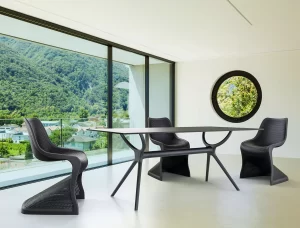

Choosing Polypropylene Cafe Chairs

A chair can look right on the floor and still be wrong for the venue. That usually becomes obvious after a few busy weekends, when scuffing shows up, cleaning takes too long, or staff start avoiding certain tables because the seating is awkward to move. Polypropylene cafe chairs earn their place in hospitality because they solve practical problems without making the space feel purely functional.
For café operators, venue managers and fit-out buyers, that balance matters. Seating has to support turnover, daily cleaning, weather exposure in some settings, and a look that still feels current six months from now. Polypropylene is often shortlisted for exactly that reason – it is hard-wearing, easy to maintain and available in a wide range of commercial-friendly designs.
Why polypropylene cafe chairs work in hospitality
Polypropylene is a moulded plastic material used widely in commercial seating. In a café environment, its main advantage is efficiency. It handles frequent use, wipes down quickly, and generally resists the kind of everyday wear that comes with breakfast rushes, coffee spills and chairs being shifted in and out all day.
That does not mean every polypropylene chair is equal. Build quality, wall thickness, leg construction and UV stability all affect how the chair performs over time. A low-cost option may look similar online, but in service the difference appears quickly in flex, fading, surface marking and overall stability.
When specified well, polypropylene cafe chairs can suit indoor dining rooms, footpath seating, breakout areas and casual commercial spaces. They are especially useful where operators want a clean, contemporary look without introducing a high-maintenance material into the room.
What to check before you buy polypropylene cafe chairs
The first question is where the chairs will be used. Indoor-only seating has a different brief from chairs that will spend every afternoon in direct sun. If your café trades across indoor and outdoor zones, you need a product that can handle both environments without compromising appearance or warranty support.
Weight is another practical factor. Lightweight chairs make floor resets and cleaning faster, but they still need enough structural integrity to feel secure for guests. If a chair is too light and too flexible, customers notice. If it is too heavy, your staff notice.
Stackability can be a major advantage, particularly for venues that host functions, reconfigure spaces, or need to bring furniture inside after service. Not every polypropylene design stacks neatly, and stack height varies, so it is worth checking this early rather than assuming all moulded chairs offer the same storage efficiency.
You also need to look closely at the base. Some polypropylene cafe chairs are fully moulded in one material, while others combine polypropylene seats with metal, aluminium or timber-look legs. A one-piece chair may suit high-volume outdoor use, while a mixed-material chair may better match a more refined interior scheme. The right choice depends on how hard the furniture will be worked and the kind of impression the venue needs to create.
Comfort matters more than the spec sheet
Commercial buyers often focus first on durability, which is fair enough. But if guests are staying for a second coffee, a light lunch or a meeting, comfort carries commercial value. Seat shape, back support and sitting angle all influence dwell time.
A chair does not need to be heavily upholstered to be comfortable. Many polypropylene designs use ergonomic curves and a little flex in the shell to improve the sit. That said, very minimal silhouettes can sometimes favour appearance over comfort. In quick-service settings that may be acceptable. In a neighbourhood café or licensed venue, it may not be.
Cleaning and maintenance are part of the buying decision
A surface that looks great in staged photos can become annoying in live service. Deep grooves, textured finishes and light colours can all change the cleaning workload. Polypropylene usually performs well here because it is non-porous and straightforward to wipe down, but finish still matters.
Matte surfaces often hide fingerprints and minor scratches better than gloss. Darker tones can be practical in high-traffic settings, although they may show dust more readily outdoors. Lighter colours can brighten a small café, but they need more frequent attention if the venue sees constant turnover.
Indoor, outdoor or both?
One of the strongest selling points of polypropylene cafe chairs is versatility. Many are suitable across indoor and outdoor applications, which helps create visual consistency from the dining room to the courtyard. For operators, that can simplify procurement and reduce the number of furniture lines to manage.
Still, outdoor use always deserves closer scrutiny. UV-stabilised polypropylene is the safer choice for exposed settings, especially in Australian conditions where sun intensity is not forgiving. Salt air, rain and heat also matter in coastal and open-air venues. If the chairs will live outside full-time, commercial-grade construction is not optional.
For undercover spaces, your options widen. You may be able to prioritise a finer profile or a more design-led finish because the chairs are not taking the same level of environmental punishment. This is where it helps to think beyond the material and look at the full use case.
Style range is wider than many buyers expect
There is still a tendency to associate polypropylene with basic plastic seating. That view is out of date. Commercial ranges now include Scandinavian-inspired silhouettes, slatted backs, woven-look details, timber-leg hybrids and bold statement colours suitable for hospitality interiors that need more personality.
This matters because many venues do not want furniture that looks overtly utilitarian. They want chairs that support the brand experience while still standing up to service demands. Polypropylene can do both, provided the product selection is disciplined.
Neutral tones such as black, white, grey and muted green work well for venues planning around longevity and broad design compatibility. Stronger colours can be effective for branding, but they are harder to carry through future updates. If your fit-out cycle is longer, restraint usually ages better.
Cost, lifespan and where value really sits
Polypropylene cafe chairs are often chosen because they are cost-effective, but the cheapest unit price is not always the best buying decision. In commercial settings, replacement cost includes freight, staff time, disruption and visual inconsistency if a line is discontinued later.
A better approach is to think in terms of lifecycle value. If a chair holds its finish, remains stable and fits the venue for years, it generally delivers better return than a cheaper option that needs replacing early. Warranty support, stock continuity and ready availability also matter, especially for multi-stage fit-outs or expanding venues.
This is where working with a commercially focused supplier can make procurement cleaner. Local stock, fast dispatch and product knowledge reduce delays and guesswork. For buyers furnishing on a schedule, that reliability is often just as valuable as the chair itself.
When polypropylene is the right choice – and when it is not
Polypropylene is a strong fit for busy cafés, casual dining, outdoor hospitality zones, staff breakout areas and venues that need easy-care seating with broad style flexibility. It suits projects where cleaning speed, stackability, weather resistance and budget control all matter.
There are times, though, when another material may be the better call. If the venue brief is premium dining with a warmer, more tactile feel, timber or upholstered seating may better support the atmosphere. If acoustic softness is a priority, hard-shell seating alone may not get you there. And if the chair will be used in a boardroom-style hospitality setting, comfort expectations may push you toward a more padded solution.
That does not weaken the case for polypropylene. It simply means good furniture selection starts with the operating model, not the material trend.
Making the final selection with confidence
Before placing an order, it helps to line up a few non-negotiables: intended use, required quantity, stackability, weather exposure, cleaning demands and the visual tone of the space. Once those are clear, the shortlist usually tightens quickly.
For many Australian venues, polypropylene cafe chairs remain one of the smartest commercial seating options because they are practical without looking cheap, and design-led without becoming fragile. That is a hard balance to get right in hospitality. When the chair can handle service, suit the room and arrive on time, the whole fit-out process runs better.
If you are choosing for a live venue rather than a mood board, the best result is usually the one that keeps working long after install day. That is the standard worth buying to.