


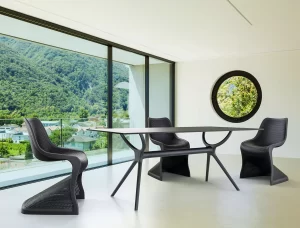

How to Style Outdoor Dining Sets for Venues
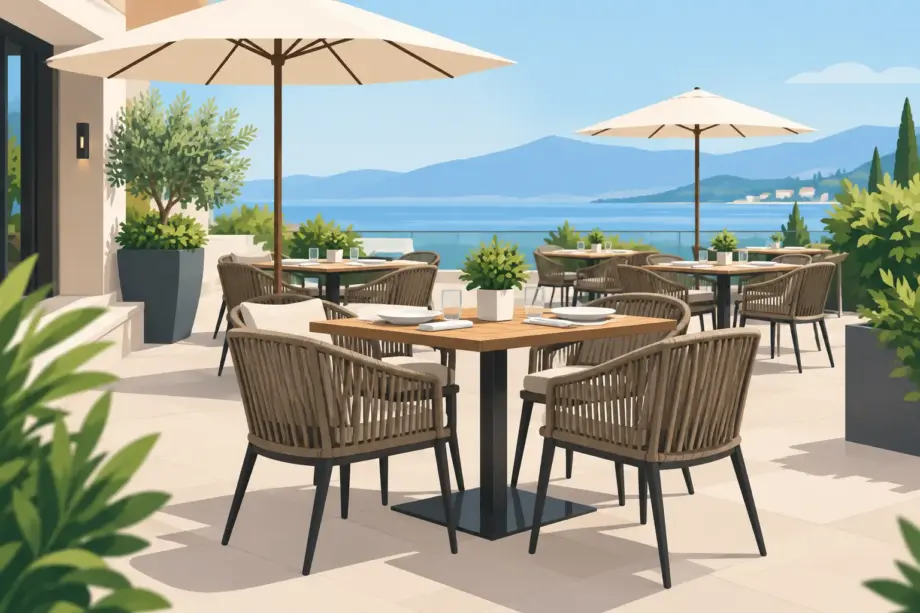
A well-styled terrace can earn its keep from the first coffee service through to late-night dining. Knowing how to style outdoor dining sets is not simply about selecting attractive chairs and tables. For hospitality venues, it means creating a setting that suits the brand, moves staff efficiently, withstands weather and gives every guest a comfortable reason to stay longer.
The strongest outdoor spaces feel intentional without looking over-designed. They use a clear furniture palette, sensible spacing and a few practical finishing elements to turn a courtyard, footpath zone, rooftop or beer garden into a valuable extension of the venue.
Start with the service model, not the furniture
Before choosing colours or table shapes, define how the space needs to work. A quick-service café with high morning turnover needs a different layout from a wine bar built around long lunches, while a club terrace may need flexible seating that can be reconfigured for functions.
Consider the typical party size, ordering method, peak trading periods and staff access routes. Two-person tables make it easier to fill small areas and accommodate couples, but they should be able to join together for larger groups. Larger communal tables encourage a social atmosphere and suit shared menus, although they can reduce flexibility during quieter services.
Allow enough room for guests to pull out chairs without blocking pathways. In busy venues, clear routes to the kitchen, bar, amenities and exits matter as much as table capacity. An attractive layout that slows table clearing or forces staff to weave between chairs will quickly lose its appeal during a full service.
Choose a consistent outdoor furniture language
A commercial outdoor setting looks polished when the tables, seating and surrounding details belong to the same visual family. They do not need to be identical, but they should share a deliberate connection through colour, material, profile or proportion.
For a modern café, a powder-coated aluminium table base paired with moulded polypropylene chairs can create a crisp, low-maintenance look. Timber-look tabletops soften the result without introducing the upkeep of exposed natural timber. For a coastal restaurant, woven-look dining chairs, pale finishes and warmer neutrals can feel relaxed while remaining commercially practical.
Keep the core palette tight. Two main colours plus one accent is usually enough for a cohesive dining area. Black frames and neutral tops offer a versatile base, while brand colours can appear in chair shells, cushions, umbrellas, planters or menu holders. Too many competing finishes can make a compact terrace appear cluttered, particularly when signage, drinks fridges and service stations are already in view.
Match materials to exposure and maintenance capacity
Material choice should reflect the actual site conditions, not only the look you want. Fully exposed rooftops and waterfront areas need furniture that manages sun, rain, salt air and wind. Covered courtyards may offer more freedom, but they still need surfaces that can handle spills, frequent cleaning and daily movement.
Aluminium is lightweight, corrosion-resistant and well suited to tables and chairs that need to be moved regularly. Polypropylene seating is practical for busy cafés because it is easy to clean, stackable in many designs and available in a broad range of colours. Commercial-grade compact laminate or HPL tabletops are a strong option for outdoor dining, offering a durable, wipe-clean surface with a refined finish.
Timber can bring warmth and character, but it asks more of the operator. If it is exposed to the elements, plan for regular care and accept that weathering is part of the look. In high-turnover outdoor zones, timber-look materials often deliver a more predictable maintenance outcome.
Build the layout around comfort and capacity
The right table shape can improve both the look and commercial performance of an outdoor area. Round tables soften hard-edged courtyards and make conversation easy, but they can be less space-efficient in narrow footprints. Square tables sit neatly in rows and combine well for groups. Rectangular tables work best along walls, banquettes or long terraces where their footprint follows the architecture.
Do not crowd tables simply to increase covers. Guests notice when chairs touch, bags have nowhere to go or neighbouring conversations feel uncomfortably close. A slightly lower seat count with better circulation can improve dwell time, service quality and repeat visits.
Create zones where the site allows it. A front section with smaller tables can support fast café trade, while a more sheltered rear area with larger settings can encourage longer meals. If the venue serves both daytime and evening customers, use lighting and moveable furniture to shift the mood without rebuilding the space.
Use height deliberately
Mixing dining-height furniture with bar-height tables can add energy and visual depth, especially in larger beer gardens or rooftop venues. Bar stools work well near a railing, window ledge or drinks-focused area, while standard dining settings remain the best choice for full meals and accessible seating.
The trade-off is operational complexity. Too many furniture heights can make a small space feel fragmented and complicate table allocation. Keep one format dominant, then use a secondary height as a purposeful feature rather than filling every available corner.
Add shade, greenery and lighting in the right order
Furniture establishes the layout, but the layers around it determine whether guests will use the space through changing conditions. Shade should come first. Umbrellas, canopies or fixed cover protect diners and reduce glare, but their bases and placement need to work with pedestrian flow and local site requirements.
Choose commercial umbrella systems sized for the tables below them. A small umbrella over a large table leaves guests exposed, while oversized canopies can collide with neighbouring settings or feel heavy in a compact courtyard. In windy locations, weighted bases and proper closing procedures are essential.
Greenery adds softness to hard commercial surfaces. Use planters to frame an entry, divide zones or screen less attractive service areas, but avoid placing them where they reduce clear access. Select hardy plants suited to the light levels and nominate who is responsible for watering and ongoing care. Poorly maintained greenery undermines an otherwise premium fit-out.
Lighting should support safety before atmosphere. Warm overhead festoon lighting, wall lights or integrated planters can make an outdoor area inviting after dark, while table candles or rechargeable lamps provide a more intimate finish. Avoid bright, exposed fittings that create glare across tabletops or make guests feel as though they are dining under work lights.
Finish outdoor dining sets with operational details
The final layer is where styling meets daily service. Durable seat cushions can introduce colour and improve comfort, provided they can be stored quickly or are rated for outdoor use. Outdoor rugs may define a lounge-adjacent dining zone, but they are generally better suited to covered spaces where cleaning and drying will not become a daily issue.
Tabletop accessories should be restrained. A clean condiment solution, stable menu stand and small vessel for greenery can look considered without taking over valuable dining space. Avoid tall centrepieces that interrupt sightlines or loose decorative items that become a problem in wind.
Storage is often overlooked during planning. Staff need a practical place for stacked chairs, spare cushions, umbrellas and cleaning equipment. When these items end up tucked behind planters or along a visible wall, the outdoor area can look disorganised within minutes of service starting.
How to style outdoor dining sets for different venues
For cafés, prioritise quick-clean surfaces, smaller flexible tables and a recognisable colour accent that photographs well from the street. A restaurant can use more layered finishes, comfortable armchairs and warmer lighting to support a longer dining experience. Pubs and clubs often benefit from a mix of communal tables, standard dining settings and high tables, allowing groups to settle in without making the area feel formal.
For corporate terraces, restraint usually works best. Neutral commercial furniture, well-spaced tables and durable planters create a professional breakout area that can also support informal meetings. In every setting, select commercial-grade pieces designed for repeated use rather than residential furniture that may look appealing initially but struggle with daily wear.
When planning a refresh, it helps to confirm stock availability, lead times, warranties and delivery access before finalising a layout. A strong concept only delivers value when the furniture can be installed on schedule and supported over the life of the venue. Start with the operational essentials, then let colour, texture and lighting make the space unmistakably yours.