



Best Stools for Busy Bars: What to Buy
Friday night tells the truth about furniture. When the bar is three deep, staff are moving fast and stools are dragged, spun, bumped and wiped down in constant rotation, the wrong seat choice shows up quickly. The best stools for busy bars are not simply the ones that look sharp on opening night. They are the ones that still look right, feel stable and clean up fast after months of heavy trade.
For venue managers, owners and fit-out buyers, this is where bar stool selection becomes an operational decision as much as a design one. A stool has to suit your bar height, support customer comfort, handle repeated use and hold its finish under real commercial pressure. If one of those factors is off, you feel it in maintenance, replacement costs and the overall presentation of the room.
What makes the best stools for busy bars?
In a high-traffic venue, durability starts with structure. Commercial bar stools need a frame that resists wobble, joints that stay tight and finishes that can cope with repeated cleaning. Lightweight residential stools often look appealing on price, but in busy bars they tend to shift, loosen or mark too easily. Commercial-grade construction is what keeps seating performing through service after service.
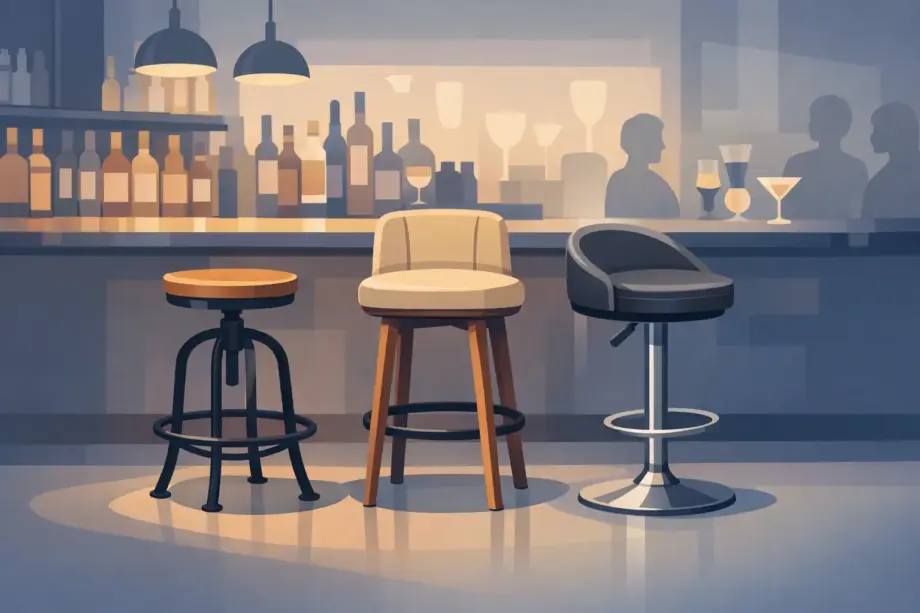
Material choice matters just as much. Powder-coated metal frames are a strong option for bars with high turnover because they are hard-wearing, easy to clean and visually versatile. Timber stools can work well too, especially in venues aiming for warmth or a more elevated dining-bar feel, but the finish needs to be suited to hospitality use. If a timber seat or frame is too delicate, scuffs and moisture exposure will show up quickly.
Seat design is another practical factor. Upholstered stools can lift the look of a space and improve dwell time, but they are not always the best call for every venue. In cocktail bars or premium hospitality settings, a well-chosen commercial vinyl or treated upholstery can work beautifully. In pubs, sports bars or fast-paced casual venues, a solid seat in timber, polypropylene or metal is often simpler to maintain and faster to turn over.
Matching stool style to bar traffic
Not every busy venue uses stools in the same way. A neighbourhood pub, a hotel bar and a late-night cocktail room all experience traffic differently. That changes what the best stools for busy bars look like in practice.
In fast-turnover bars, backless stools often make the most sense. They slide neatly under counters, reduce visual clutter and let patrons move in and out quickly. They are also easier for staff to reposition during service. The trade-off is comfort. If guests are likely to settle in for a long session, a low-back or supportive mid-back stool may be the better investment.
For venues where atmosphere is part of the sale, the stool needs to contribute to the room rather than disappear into it. That does not mean choosing on looks alone. It means finding a stool with the right visual weight, material finish and seat detail that still meets commercial demands. A slim metal frame can keep a compact bar feeling open, while a heavier upholstered stool can anchor a premium fit-out if cleaning and wear have been properly considered.
Height, spacing and layout are where mistakes happen
A stool can be well made and still be wrong for the bar. Height is the most common issue. If the seat sits too low, guests perch awkwardly. Too high, and the posture feels cramped and uncomfortable. As a general rule, there should be enough clearance between the seat and the underside of the bar for customers to sit naturally without knees pressing upward.
Spacing matters too. In busy bars, stools are used hard and often moved by customers, not just staff. If they are packed too tightly, the area feels congested and service suffers. If they are placed too far apart, the bar can feel underdone and less social. Buyers should think beyond the number of stools that fit on paper and consider how people actually enter, sit, turn and leave during peak trade.
Footrests deserve attention here. In a commercial setting, they are not a minor detail. A proper footrest improves comfort, supports posture and reduces the wear that comes from customers hooking shoes around frame rails that were not meant for that purpose. Over time, that can make a real difference to presentation and lifespan.
Best materials for busy bar stools
If easy maintenance is high on the priority list, metal and polypropylene are hard to ignore. Both suit high-volume venues where speed of cleaning and resistance to surface wear matter every day. Polypropylene seats are especially useful where spills are common and turnaround is fast. They offer a clean, modern look and can hold up well in hospitality environments when specified for commercial use.
Timber remains popular because it softens a venue and pairs well with many hospitality interiors, from modern Australian dining rooms to classic pub refurbishments. The key is choosing a finish that can tolerate knocks, cleaning products and regular movement. Timber can age beautifully, but only when the product is built and sealed for commercial conditions rather than occasional domestic use.
Upholstery sits in the middle. It adds comfort and can elevate the perceived value of the space, but it asks more of your maintenance routine. Commercial vinyl is often the practical answer because it gives the comfort and finish of upholstered seating with easier wipe-down performance. Fabric can work in the right venue, though usually not in the hardest-working sections of a bar.
How to buy the best stools for busy bars without overbuying
Procurement is rarely just about choosing the nicest seat. Buyers need stock confidence, consistent finishes, realistic lead times and product that suits the venue’s operating model. The best approach is to prioritise the non-negotiables first: correct height, commercial-grade construction, easy maintenance and a design that suits the venue brand.
After that, look at where you can refine. Do you need stackable or lightweight stools for flexible floor layouts? Do you need arms or backs in selected zones only? Could you mix stool types across the venue, using more durable, minimal stools in high-turnover areas and more comfortable upholstered options in premium sections? Often the smartest buy is not one stool across the whole venue, but a coordinated selection based on how each area performs.
It is also worth thinking about replacement and continuity. Busy bars rarely stay static. You may need to add stools later, replace damaged pieces or refresh part of the floor without starting again. That makes reliable supply and commercially relevant after-sales support more valuable than a bargain that cannot be repeated when you need matching stock six months down the track.
Common buying mistakes that cost venues later
One of the biggest mistakes is buying for appearance only. A stool may suit the mood board perfectly, but if it marks easily, feels unstable or slows down cleaning, the problem becomes operational very quickly. Another common issue is underestimating seat comfort. Guests do not need lounge-level softness at the bar, but they do need a stool that feels balanced and supportive enough to stay for a drink or a meal.
Venues also get caught out by finishes that look impressive in a showroom but show wear too quickly under real service conditions. Matte coatings, pale upholstery and delicate timber tones can all work, but they need to be chosen with eyes open. In a very busy bar, darker tones, textured finishes and low-fuss materials often hold their presentation longer.
Finally, some buyers overlook the simple benefit of consistency. When stools vary in height, frame profile or finish from one batch to the next, the whole bar can look unsettled. For hospitality spaces, visual cohesion is part of the customer experience. It supports the room, the brand and the sense that the venue is professionally run.
The right stool should make service easier, not create another issue to manage. It should suit your layout, support your customers, handle the pace of trade and still present well after the rush. That is why commercial buyers looking for the best stools for busy bars should treat seating as part of the venue’s daily performance, not just its fit-out. A strong choice pays off every night the doors are open.