


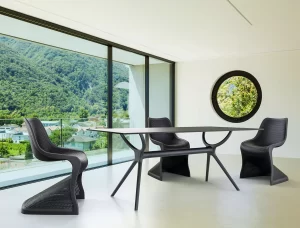

Choosing European Hospitality Furniture
A bentwood chair that looks sharp on opening night can be wobbling by the end of a busy quarter. That is usually where buyers separate appearance from performance. When you are sourcing European hospitality furniture for an Australian venue, the brief is rarely just about style. It is about commercial durability, lead times, maintenance, stackability, visual identity and whether the furniture still earns its keep after thousands of covers.
European-made and European-inspired hospitality furniture has long held appeal for cafés, restaurants, hotels, bars and clubs because it brings a refined design language to hard-working spaces. Clean lines, considered proportions and strong material detailing can lift a room quickly. But good buying comes down to more than looks. The right selection needs to suit your service model, your floor plan and the reality of daily wear.
Why European hospitality furniture stands out
European hospitality design has a reputation for balance. It tends to combine visual restraint with practical construction, which is why it works so well in venues that need polish without fuss. You see it in slim chair profiles that still feel stable, tabletops with tactile finishes, and outdoor pieces that look light but perform under constant use.
For many operators, the attraction is consistency. European collections are often developed as complete ranges, which makes it easier to create cohesion across dining chairs, bar stools, lounges and outdoor settings. That matters when you are fitting out a full venue or refreshing several zones at once. A cohesive scheme helps the space feel intentional rather than assembled piece by piece.
There is also a commercial advantage in choosing furniture with a proven hospitality pedigree. Designs that have already been tested in restaurants, hotel terraces and high-turnover dining rooms usually solve familiar problems – comfort over long sittings, efficient cleaning, sensible footprints and finishes that age well rather than date quickly.
What to assess before you buy
The best buying decisions usually start with service style, not colour swatches. A quick-service café needs different seating from a premium dining room, and a resort pool area has very different demands from an indoor wine bar. Before narrowing the range, it helps to be clear on how the furniture will actually be used.
Traffic and turnover
High-turnover venues need furniture that can take repeated movement and frequent cleaning. Chairs will be pulled out hundreds of times a week. Tables will be wiped down constantly. In these settings, weight, joinery and finish quality matter as much as appearance. A lighter chair can help staff reset the room quickly, but if it is too light it may feel flimsy to guests. That balance is worth checking in person where possible.
Indoor, outdoor or both
Not every European hospitality furniture range is suitable for exposed outdoor use. Some pieces are ideal for covered terraces or indoor-outdoor transitions, but not for full sun, salt air or heavy rain. Aluminium, polypropylene, compact laminate and treated timber all perform differently depending on location. If your venue sits near the coast, material selection becomes even more important because corrosion and fading can shorten the life of the fit-out.
Storage and flexibility
If your floor plan changes regularly for functions, stackable chairs and mobile tables are worth serious attention. European styles are often praised for their neat silhouettes, but the practical question is whether they help your team operate efficiently. Storage footprint, ease of handling and replacement planning can all affect long-term value.
Materials that make sense in hospitality settings
Material choice shapes both the look and the workload. A timber chair can bring warmth and authenticity, while powder-coated metal delivers a cleaner, more architectural feel. Upholstered seating lifts comfort, but it also raises the bar on cleaning, stain resistance and wear management.
Timber remains a strong option for cafés, bistros and dining rooms that want natural texture. It suits classic and contemporary interiors alike, especially when the grain and stain are well matched across a range. The trade-off is maintenance. Timber can mark, and in very busy venues it may need more ongoing attention than synthetic alternatives.
Metal-framed seating suits high-traffic commercial spaces because it handles movement well and tends to be easy to maintain. It works particularly well when paired with timber, wicker-look detailing or upholstered pads to soften the feel. The risk is getting too industrial for the venue concept, so the finish and profile need to be chosen carefully.
Polypropylene and similar commercial polymers have become increasingly relevant in European hospitality furniture, especially for outdoor dining and casual indoor settings. They are practical, lightweight and often stackable. The main consideration is perception. In some premium spaces they can feel too casual unless the design is exceptionally well resolved.
For tabletops, compact laminate, sintered stone and treated timber all have a place. Compact laminate is especially useful in venues where durability and simple cleaning are priorities. Stone-look finishes can create a premium impression, though they may add weight and require the right base for stability.
Style matters, but so does fit
The strongest hospitality interiors do not just chase a look. They support the way the venue trades. A sculptural chair might photograph well, but if it slows table turns or feels uncomfortable after forty minutes, it can become a costly compromise.
Matching furniture to venue identity
A neighbourhood café may suit softer curves, natural finishes and lighter forms that feel relaxed and approachable. A high-end restaurant might lean into tailored upholstery, darker timbers and finer detailing. A rooftop bar often needs a more energetic mix – stools, loungers and occasional seating that can handle movement between day and night trade.
European collections are useful here because they often give buyers several expressions within one design language. You might use side chairs indoors, matching stools at the bar and coordinating outdoor seating on the terrace. That continuity can make the fit-out feel more resolved without becoming repetitive.
Comfort is part of the brand experience
Comfort is not just a guest issue. It affects spend, dwell time and return visits. Seat height, back support, table clearance and spacing all shape the overall experience. In a coffee setting, a firmer seat may be perfectly appropriate. In a dining room where guests are expected to stay longer, comfort needs greater weight in the decision.
This is where prototypes, samples or at least close specification checks can save time later. Dimensions that seem minor on a product page can have a real impact once multiplied across a room.
Procurement realities for Australian buyers
A well-designed product still needs to arrive on time and fit the project schedule. For Australian buyers, that is often where the real decision gets made. Imported furniture can be appealing, but procurement risk needs to be considered alongside design quality.
Lead times, local stockholding and replacement availability all matter. If a venue is opening on a fixed date, waiting on overseas supply can create pressure across the entire fit-out. The same goes for future breakages or top-up orders. A beautiful chair is less practical if matching stock cannot be sourced when you need another twenty units six months later.
This is why commercially minded buyers often favour suppliers with Australian-held stock, dependable dispatch and clear warranty support. It reduces uncertainty. Furniture Pro Australia, for example, positions its range around commercial-grade selection with local stock access and service support, which is exactly the kind of procurement reassurance many venues need when balancing aesthetics with deadlines.
Price also needs to be judged properly. The cheapest option can cost more over time if it fails early, looks tired quickly or creates operational headaches. On the other hand, not every venue needs the most premium specification. The right spend depends on use intensity, brand positioning and expected replacement cycle.
How to make the range work harder
If you are fitting out a hospitality space from scratch, think in zones rather than single products. Dining, waiting, bar service and outdoor areas all have different demands, but they still need to feel connected. European hospitality furniture works best when the range is curated with intent.
Start with the anchor pieces – usually chairs, stools and tables. Then build out with occasional seating, lounges or sun loungers where relevant. Keep your palette controlled, but not flat. A venue often benefits from one or two material shifts, such as timber dining chairs paired with powder-coated stools, or neutral seating with statement tabletops.
It also helps to plan for maintenance from day one. Order touch-up products where relevant, keep a record of finishes and dimensions, and if the budget allows, hold a few spare units. That approach is not glamorous, but it makes ongoing venue management much easier.
The right furniture should do two jobs at once. It should shape how the space feels the moment a guest walks in, and it should make sense for the people running the floor every day. When those two outcomes line up, the fit-out tends to last longer, perform better and feel like money well spent.
If you are weighing up European hospitality furniture for your next project, the smartest move is to buy with both the camera and the cleaning roster in mind. Good design gets attention. Good commercial selection keeps the venue moving.