



Choosing Restaurant Chairs Commercial Grade
A chair fails quietly at first. A loose joint, a wobble on uneven flooring, scuffs that never quite clean up. In a busy venue, those small problems add up fast, which is why restaurant chairs commercial grade buyers choose are less about appearances alone and more about long-term performance under pressure.
For restaurant owners, venue managers and fit-out teams, chair selection sits right at the intersection of design, operations and budget. You need seating that looks right in the room, feels comfortable over a full service, and stands up to constant use without becoming a maintenance issue six months in. The right choice supports turnover, cleaning efficiency and the overall impression your venue leaves on guests.
What commercial grade really means in a restaurant
Commercial grade is often used loosely, but in hospitality it should mean furniture designed for repeated daily use in a public setting. That includes stronger frames, more durable finishes, better joinery and materials that cope with movement, spills, cleaning products and regular stacking or repositioning where required.
A dining chair in a restaurant is used very differently from one in a home. It gets dragged, bumped, wiped down, leaned back on and shifted between tables multiple times a day. Staff do not have time to handle furniture delicately during a lunch rush, and they should not need to. A genuinely commercial chair is built with that reality in mind.
This is where buyers can get caught out. A chair may look suitable online, but if it is not engineered for hospitality use, the problems show up quickly. Finish wear, joint fatigue, unstable legs and uncomfortable proportions can all affect guest experience as much as replacement costs.
How to assess restaurant chairs commercial grade options
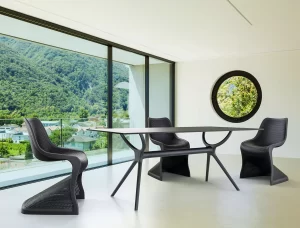
Start with the frame. Metal, solid timber and high-quality moulded polypropylene can all perform well in commercial settings, but the right material depends on your venue style and service model. Metal offers strength and consistency, timber delivers warmth and character, and polypropylene can be a smart option for casual dining, quick service and outdoor-adjacent spaces where easy cleaning matters.
Then look at construction quality, not just the product image. Reinforced joints, well-fixed seats and stable leg geometry matter more than decorative details. If chairs will be moved often, weight becomes part of the buying decision too. A heavier chair can feel premium and stable, but a lighter chair may be more practical for staff, especially in venues that reset layouts regularly.
Seat comfort should be judged against dwell time. In a fast-casual venue, a slimline seat may be perfectly appropriate. In a full-service restaurant where guests are likely to stay longer, a more supportive shape, wider seat or upholstered finish may make better commercial sense. Comfort is not only about cushioning. Back angle, seat height and leg clearance all influence how long a chair feels good to sit in.
Material choice affects more than style
Timber chairs suit venues aiming for warmth, texture and a more refined dining atmosphere. They work especially well in bistros, wine bars and neighbourhood restaurants where the furniture contributes to a more considered interior. The trade-off is that timber finishes can show wear differently depending on stain colour and surface treatment, so the choice needs to align with your cleaning routine and expected traffic.
Metal-framed chairs are often selected for their strength and versatility. They can lean industrial, minimal or polished depending on the finish and seat detail. Powdercoated frames are popular because they handle daily use well and offer a broad design range. They are often a practical fit for high-turnover venues where durability and easy upkeep matter just as much as appearance.
Polypropylene and mixed-material chairs have become increasingly popular because they balance price, performance and visual simplicity. In the right setting, they can look sharp rather than purely utilitarian. They are particularly useful in cafés, food courts and modern hospitality spaces where wipe-clean surfaces and low maintenance are priorities.
Upholstered or non-upholstered?
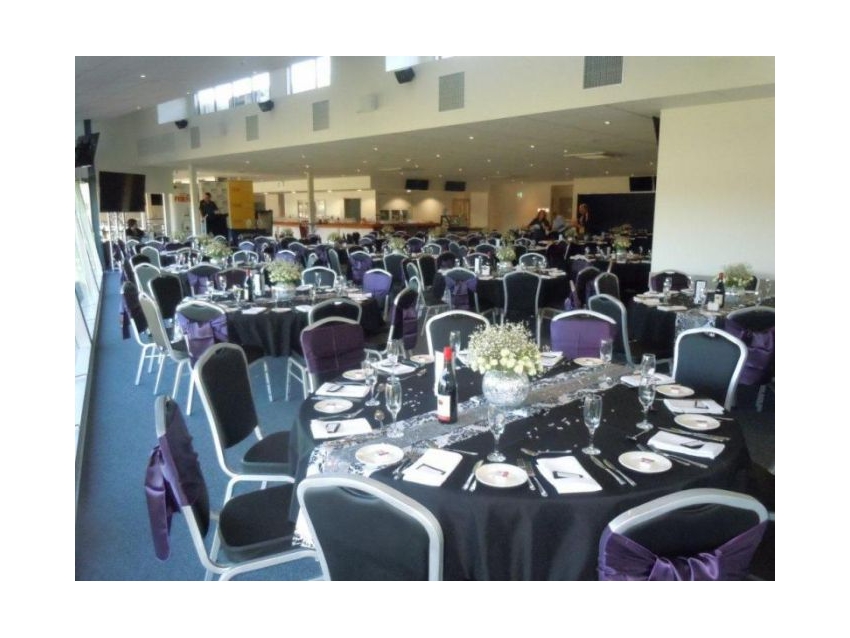
This depends on your service style and the level of ambience you want to create. Upholstered restaurant seating can elevate the room and improve comfort, especially in venues built around slower dining and a more premium experience. It can also help with acoustics in harder-surfaced interiors.
On the other hand, upholstery introduces extra maintenance considerations. Fabric selection, stain resistance and cleaning access all become more important. In busier or more casual settings, non-upholstered chairs are often the smarter operational choice because they simplify reset and cleaning between services.
Matching chairs to the way your venue runs
The best procurement decisions are made around daily use, not just mood boards. A chair that looks excellent in a staged photo may be the wrong fit for a compact floorplan or a fast-paced team. Consider how tables are spaced, how often chairs need to be moved, whether the venue hosts functions, and how much floor cleaning happens at close.
For smaller dining rooms, narrow footprints and clean lines can make a space feel less crowded without reducing seat count. In larger venues, visual consistency becomes more important because repetition magnifies any design mismatch. If you are fitting out a multi-zone hospitality space, it can make sense to vary chair styles by area while keeping material tones or frame finishes consistent.
Stackability is another factor that is often underestimated. Not every restaurant needs stackable seating, but if you host events, clean in sections or reconfigure often, stackable commercial chairs can save time and storage space. The key is making sure stackability does not come at the expense of guest comfort or the overall finish level your venue requires.
Durability is one cost. Replacement is another
A cheaper chair is not always better buying. If it needs early replacement, causes service interruptions or starts affecting the look of your dining room too soon, the initial savings disappear quickly. Venue furniture should be assessed on lifecycle value, not just unit cost.
That includes warranty support, stock continuity and lead times. If you need to replace a small number of chairs later, being able to source matching stock matters. For expanding venues or staged refurbishments, continuity across batches can make procurement much easier. This is one reason buyers often prefer suppliers with Australian-held stock and reliable dispatch rather than uncertain offshore lead times.
Consistency also matters operationally. Chairs that age evenly and maintain their structure give your venue a more professional appearance over time. When seating starts looking mixed, worn or unstable, guests notice, even if they cannot explain exactly why the room feels less polished.
Design still matters – because guests notice first
Commercial performance should never mean compromising the look of your space. Restaurant seating plays a major role in how a venue is perceived from the street, in photos and at the table. The chair silhouette, finish and material all contribute to whether the room feels refined, relaxed, contemporary or classic.
That said, style should serve the concept. A heavily upholstered chair may not suit a quick-service venue, while a bare industrial frame may feel underdone in a premium dining room. The strongest results come when aesthetics and operational reality are aligned from the start.
For buyers furnishing a new venue or updating an existing one, it often helps to think in terms of design durability as well as physical durability. Trend-driven pieces can work well in the right concept, but more versatile forms often provide better long-term value, especially if you plan to refresh tables, lighting or finishes later without replacing every chair.
Buying with fewer surprises
A strong restaurant fit-out depends on reliable supply just as much as good product selection. Before placing an order, check practical details such as dimensions, seat height, assembly requirements, maintenance expectations and whether the chair is intended for indoor or mixed-use environments. For hospitality operators, procurement confidence comes from knowing the product will suit the space and arrive when needed.
This is where a commercially focused supplier makes a real difference. Buyers are not just looking for attractive products. They need stock availability, fast dispatch, delivery support and after-sales service that matches the pace of a live business. Furniture Pro Australia positions its range around that reality, helping venues source furniture that is built for commercial use and ready to perform.
The best restaurant chairs are the ones your staff do not need to think about and your guests remember only as part of a room that felt right. Choose for service conditions, choose for longevity, and let the design do its job without creating extra work later.