


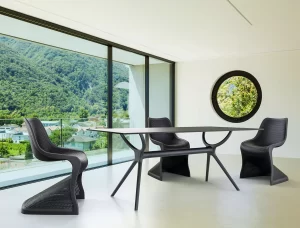

Fast Dispatch Furniture for Business Spaces
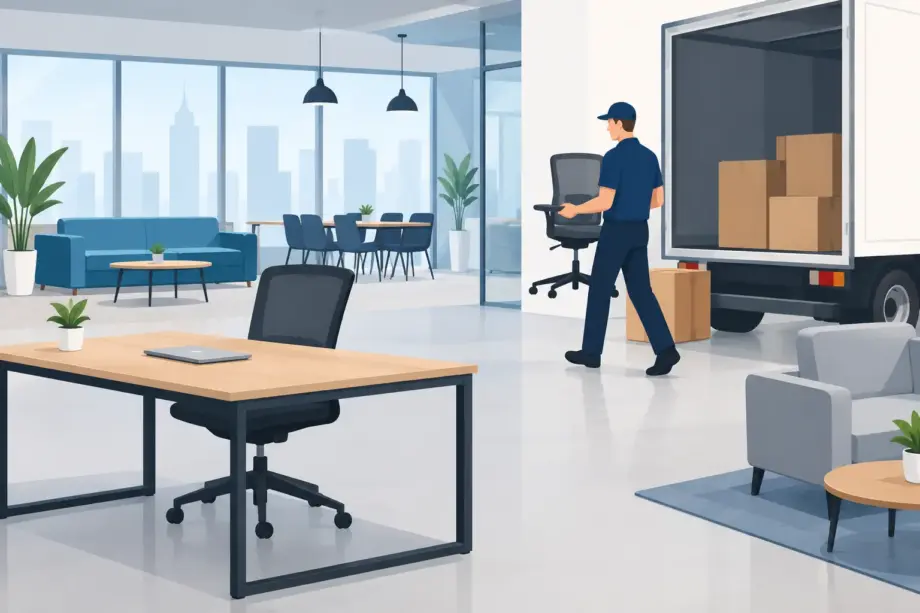
A delayed furniture delivery can hold up an opening date, leave a dining room half-set or force an office team to work around temporary tables for weeks. Fast dispatch furniture gives commercial buyers a more practical route: products held in Australian stock and ready to move when the project timeline demands it. The key is choosing pieces that arrive quickly without creating a longer-term problem with comfort, durability or visual consistency.
For hospitality venues, workplaces and outdoor commercial areas, speed matters because furniture is not simply a finishing touch. It affects seating capacity, staff workflow, customer perception and the point at which a space can start earning. A fast option only represents good value when it is also suited to the demands of daily commercial use.
Why fast dispatch furniture matters to commercial buyers
A café operator replacing worn seating before a busy season needs certainty, not a vague overseas arrival window. A venue manager responding to a refurbishment deadline needs tables and chairs that can be ordered with confidence. For office administrators, prompt delivery can make the difference between a usable new workspace and a disruptive transition period.
Fast dispatch is particularly valuable when plans change. A lease may settle earlier than expected, a fit-out contractor may finish ahead of schedule, or a venue may need additional seating after a capacity review. In these situations, locally held stock reduces one of the largest variables in furniture procurement: the wait between selecting an item and getting it dispatched.
That does not mean every project should be built entirely around what is immediately available. Custom upholstery, specialised finishes and large-volume orders can have longer lead times for valid reasons. The sensible approach is to use ready-to-ship pieces where timing is critical, then reserve longer-lead selections for focal items that genuinely justify the wait.
Start with the operational needs of the space
Fast delivery is useful only if the furniture fits the way the space operates. Before selecting a chair, table or workstation, establish what the room must do each day. A busy bistro needs chairs that are easy to move, clean and replace if needed. A boardroom needs comfortable seating that supports longer meetings. An outdoor terrace needs materials that tolerate sun, rain and frequent use.
Consider circulation as closely as appearance. Dining chairs with a larger footprint may look generous around a display setting but reduce aisle clearance in a compact restaurant. Bar stools need the right seat height for the counter, along with stable bases and practical footrests. In an office, desk dimensions should accommodate monitors, task chairs and cable management without making walkways feel cramped.
It also pays to check whether furniture needs to stack, nest, fold or be moved regularly. Stackable seating can save valuable back-of-house storage in a function venue. Lightweight outdoor chairs can help staff reset a terrace quickly. For fixed office layouts, heavier workstations may be appropriate, provided delivery access and installation requirements have been considered first.
Match materials to the workload
Commercial-grade furniture earns its place through repeated use, not just a good first impression. In hospitality areas, look for durable frames, stable construction and surfaces that can cope with regular cleaning. Tabletops should suit the expected exposure to spills, heat and cleaning products, while chair finishes should be chosen with maintenance in mind.
For outdoor settings, weather resistance is central, but it is not the only consideration. Powder-coated aluminium, polypropylene and suitable treated timbers can all perform well when matched to their environment. Coastal locations, covered courtyards and fully exposed dining areas place different demands on furniture. A product suited to a protected patio may not be the right choice for an exposed rooftop.
Office furniture has its own performance measures. Ergonomic task chairs should offer the adjustments needed for the users and work patterns involved. Storage units need to support filing, supplies and shared equipment. Acoustic pods or privacy-focused furniture may help in open-plan settings, though they should be planned around power access, ventilation and available floor area.
Check stock status before designing around a product
The phrase fast dispatch can mean different things across the furniture market. It is worth distinguishing between stock physically held in Australia, stock expected shortly and products that are technically available to order but sourced after purchase. For a project with a firm deadline, that distinction matters.
Confirm the quantity required, not just whether one item is available. Ordering 40 matching dining chairs, 12 tables and several bar stools requires a different stock check from buying a single replacement chair. If visual continuity matters, ask whether all items are from the same production run or whether a future top-up is likely to have minor variations in finish.
Timing should also be considered alongside delivery location. Dispatch refers to when an order leaves the warehouse, while delivery time depends on destination, carrier schedules and site access. Metro-area delivery may be more straightforward than delivery to regional areas or constrained CBD sites. If the premises has loading restrictions, stair access, narrow lifts or a particular delivery window, organise these details well before the furniture is due to arrive.
Furniture Pro Australia supports business buyers with Australian-held stock across hospitality, office and outdoor categories, helping reduce the gap between selection and dispatch when a project needs to keep moving.
Build a coordinated look without slowing the project
A quick purchase should not result in a mismatched space. The most effective commercial interiors work from a simple visual framework: a considered base palette, consistent materials and a balance between practical furniture and distinctive feature pieces.
For a café or restaurant, this may mean choosing durable neutral dining chairs and tables, then introducing colour through stools, booth seating or outdoor accents. In a workplace, a consistent desk system can be paired with task chairs and selected lounge seating for reception or breakout areas. This approach creates cohesion while keeping the core order easier to source in volume.
Avoid trying to match every finish exactly. Timber tones, metal frames and upholstery fabrics do not need to be identical to belong together. They do need to feel intentional. A warm timber tabletop can sit well with black powder-coated bases and charcoal seating, for example, provided the overall palette is repeated elsewhere in the room.
Use packages and repeatable product families
When furnishing multiple rooms or sites, repeatable furniture families simplify procurement. Matching dining chairs, bar stools and occasional seating can create a clear identity across a venue while making replacements easier to manage. Office furniture packages can also help buyers coordinate desks, storage and seating without selecting every item from scratch.
Packages are especially useful where time is limited, but they should still be reviewed against the site plan. Check dimensions, required quantities and any individual accessibility or workflow needs. A package can speed up decision-making, yet a small adjustment in table size or seating mix may substantially improve the finished layout.
Protect the project from common delivery problems
Fast dispatch does not remove the need for careful planning at the receiving end. Measure doorways, lifts, hallways and tight turns before ordering larger tables, lounges, workstations or storage cabinets. Confirm who will be available to receive the delivery, where products can be staged and whether packaging can be removed promptly.
For hospitality openings, schedule delivery with enough time for assembly, placement, cleaning and staff familiarisation. A table delivered on time is not immediately service-ready if bases still need to be fitted or the layout has not been marked out. Office projects should similarly allow time for workstation assembly, cable setup and rubbish removal before staff move in.
Keep a modest contingency where possible. Ordering a few additional chairs for a high-turnover venue, or retaining a spare table base, can prevent small accidents from becoming operational disruptions. This is more relevant for busy commercial settings than a residential purchase, where replacement timing is rarely as urgent.
The best fast dispatch furniture decision is not simply the item that leaves the warehouse first. It is the one that arrives ready for the work ahead, looks right in the space and continues to perform long after opening week.