


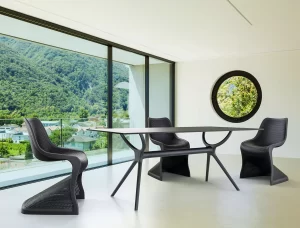

Boardroom Chair Review: What Matters Before You Buy

A boardroom chair is noticed before the meeting begins. It frames the table, sets the tone for clients and gives directors, staff and guests a clear signal about how the business presents itself. But a considered boardroom chair review needs to go beyond appearance. The right chair must remain comfortable through a two-hour strategy session, suit the room’s proportions and stand up to regular commercial use.
For office managers, fit-out professionals and procurement teams, this is rarely a one-chair decision. It is a purchase that affects visual consistency, meeting-room capacity, delivery timing and long-term maintenance. Getting the specification right at the start makes the boardroom easier to use and more credible when it matters.
What a boardroom chair needs to do
Boardroom seating occupies a different role from everyday task seating. A task chair is built around individual, all-day desk work, often with extensive adjustment and a more technical profile. A boardroom chair should support focused sitting for meetings while maintaining a refined, coordinated look around a conference table.
That does not mean sacrificing comfort for style. Meetings regularly run longer than planned, particularly in leadership rooms, project spaces and client presentation areas. A chair with an appropriately shaped back, supportive seat foam and a stable base helps attendees stay engaged rather than shifting uncomfortably after 30 minutes.
The most suitable option depends on how the room is used. A formal executive boardroom may call for high-back leather-look seating with polished aluminium bases. A collaborative meeting room can benefit from a lower-profile upholstered chair that feels less imposing and allows clearer sightlines across the table. For flexible training or project rooms, lightweight stackable or sled-base visitor chairs may be the more practical commercial decision.
Boardroom chair review: comfort is the first test
Comfort is not a feature reserved for premium executive chairs. It is the practical foundation of a boardroom that people want to use. Start with the seat. It should be wide enough to accommodate a range of users without looking oversized around the table, with supportive cushioning that does not feel soft and unsupportive.
Seat depth matters as much as width. A very deep seat can look generous but may place pressure behind the knees for shorter users. A shallower seat may suit compact rooms, although it can feel less supportive for long meetings. Where the boardroom is used by a broad mix of staff and visitors, a medium-depth seat with a gently contoured back is often the safest choice.
Back height changes both comfort and the room’s visual character. High-back chairs provide more upper-body support and create an executive silhouette. They work well in larger rooms with substantial tables, but can make a small meeting room feel crowded. Mid-back chairs are versatile, easier to position beneath tables and often better suited to collaborative spaces.
Armrests require the same practical assessment. They make longer meetings more comfortable, yet their outside width can reduce the number of chairs that fit along a table. Check that armrests can slide under the tabletop if the room needs a neat, compact appearance between meetings. If maximum seating capacity is the priority, armless chairs may offer more flexibility.
Match the base and movement to the room
A five-star swivel base on castors is a familiar boardroom choice for good reason. It allows users to move in and out easily, adjust their position at the table and turn towards a screen or presenter without dragging the chair. It is especially useful in executive rooms where attendees may use laptops, documents and audiovisual equipment during meetings.
However, castors are not automatically the best answer. On hard flooring, chairs can roll away as people sit down, and poor-quality castors may mark delicate surfaces. On carpet, unsuitable castors can feel heavy and awkward. Specify castors that suit the floor finish, and consider whether a fixed four-leg or sled base would create a calmer, more grounded setting.
Fixed-base seating is often an excellent choice for client meeting rooms, interview spaces and smaller boardrooms. It limits visual clutter, keeps chairs aligned and can be easier to maintain. The trade-off is less individual movement, so the seat shape and table clearance become even more important.
Height adjustment is valuable when the boardroom hosts different people and uses standard desk-height tables. A gas-lift mechanism lets users set a comfortable working height, particularly when typing or reviewing plans. In a formal room with a fixed, carefully proportioned table, a non-adjustable chair can provide a more uniform look. Measure first rather than assuming either option will suit.
Choose finishes that work beyond day one
Boardroom chairs need to look good under direct lighting, in video meetings and after repeated cleaning. Material selection affects all three. Leather and leather-look upholstery deliver a polished executive finish and are generally straightforward to wipe down. They can be a strong fit for reception-adjacent boardrooms, legal offices, financial services and venues where a more formal presentation is expected.
Fabric upholstery offers warmth, texture and a wider scope for colour coordination. It works particularly well in creative studios, education settings and modern offices that want a less traditional corporate atmosphere. The consideration is maintenance: select commercial-grade upholstery suited to regular use and establish a cleaning routine before marks become embedded.
Mesh backs can make a room feel lighter and may improve airflow, which is welcome in warm meeting spaces. Yet some mesh task-chair designs can look too operational for a formal boardroom. The balance is to choose a chair with a refined frame and a seat finish that complements the table, flooring and storage furniture.
Colour should support the whole room rather than compete with it. Black, charcoal, tan and neutral grey are reliable choices for commercial spaces because they age well and coordinate with most joinery. A richer colour can work beautifully in a client-facing room, but only when it is repeated elsewhere in the scheme through artwork, acoustic panels or soft furnishings. One bold chair colour in an otherwise neutral room can look more accidental than intentional.
Check dimensions before placing an order
A chair may look compact in a product image yet take up considerable space once arms, bases and movement are accounted for. Measure the clear width available along each side of the boardroom table, then allow enough room for chairs to be pulled back and for people to walk behind seated attendees.
As a practical starting point, allow approximately 600 mm of width per person at the table, then confirm the actual chair width at its widest point. Swivel chairs with arms often need more room than expected. Also measure the distance from the table edge to walls, credenzas and screens. A room that technically fits ten chairs may function better with eight comfortable seats and clear circulation.
Table height should be checked against the chair’s arm height and seat-height range. Armrests that collide with the underside of a table create daily frustration and can damage both pieces over time. If you are furnishing several meeting rooms, prepare a simple schedule with table dimensions, chair quantities, flooring type and intended use for each space. It speeds up purchasing and reduces costly assumptions.
Prioritise commercial durability and procurement certainty
For a business purchase, durability is part of presentation. Loose arms, flattened foam, peeling upholstery and unreliable gas lifts quickly undermine an otherwise polished office. Look for commercial-grade construction, stable bases and warranty coverage that reflects the chair’s intended use.
It is also worth considering the operational side of the order. Is the required quantity available now? Can matching chairs be supplied for a future expansion? What is the dispatch timeframe, delivery arrangement and access requirement for the site? These details matter when a fit-out is scheduled around an opening date, lease handover or office relocation.
Furniture Pro Australia supports commercial buyers with Australian-held stock across a broad range of office and hospitality furniture, helping teams coordinate boardroom chairs with meeting tables, workstations, storage and reception seating. For larger projects, selecting from a coordinated range can make future additions far simpler than sourcing one-off pieces from multiple suppliers.
A better way to make the final choice
Before committing, assess a shortlist in the room’s real context. Consider who will sit there, how long meetings usually last and whether the room needs to impress clients, support workshops or do both. A high-back executive chair may be ideal for a formal leadership suite but unnecessary in a quick meeting room. A slim upholstered visitor chair may look excellent but be unsuitable for a table used for full-day planning sessions.
The best boardroom chair is not simply the most expensive or the most visually dramatic. It is the one that gives every attendee a comfortable place at the table, complements the room’s design and continues to perform through years of meetings. When seating, table proportions, finishes and supply requirements are considered together, the boardroom becomes a working asset rather than a room that only photographs well.