


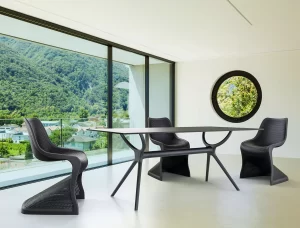

Guide to Outdoor Venue Seating for Busy Venues
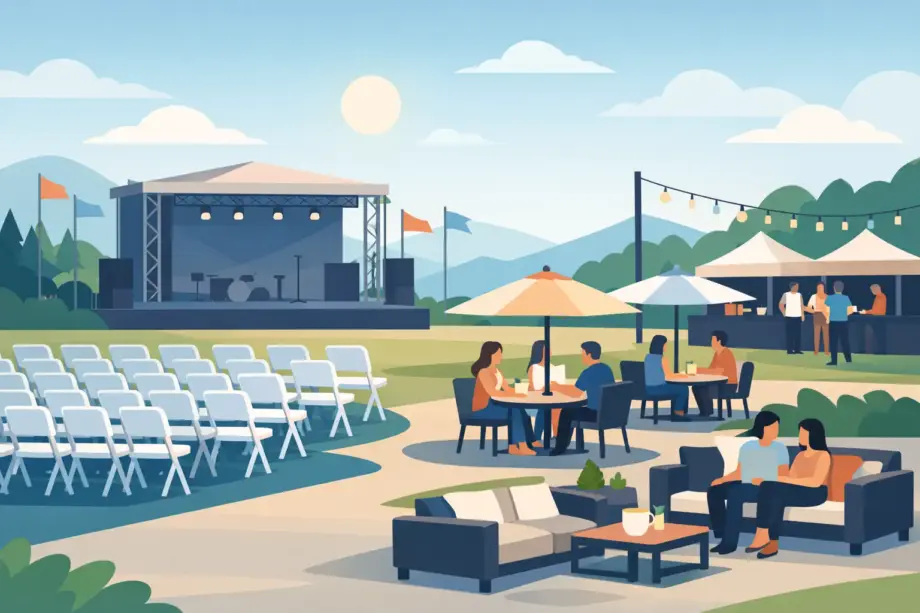
The outdoor area can be the highest-earning part of a venue and the quickest place for poor furniture decisions to show. A wobbly table, chairs that trap rainwater or a layout that blocks staff carrying plates will affect turnover long before a customer comments on the décor. This guide to outdoor venue seating is designed for operators who need a polished setting that stands up to Australian weather, daily service and constant movement.
Start with how the space earns its keep
Before selecting a chair style or table finish, define what the outdoor area needs to do. A compact café footpath zone has different pressures from a large pub beer garden, hotel pool deck or club terrace. Seating should support the pace of service, expected dwell time and the type of customer experience you are selling.
A quick-service café may prioritise smaller tables that can be reset rapidly, with light chairs that staff can bring in at close. A restaurant where guests settle in for a long lunch needs more generous personal space, supportive seating and table sizes that accommodate shared dishes. At a bar, high tables and stools can create energy and increase capacity, but they should not take over every square metre. A mix gives guests a choice and makes the space more useful across lunch, after-work trade and private functions.
Also consider the seasonality of your trade. If wet weather regularly reduces usable capacity, stackable chairs and folding or movable tables give the team a practical way to clear, cover or reconfigure the area. Permanent built-in seating can look impressive, but it limits flexibility and may complicate cleaning around spills, leaves and rubbish.
Plan an outdoor venue seating layout before buying
A successful layout balances seat count with circulation. Packing in extra tables can appear profitable on a floor plan, yet it becomes costly when staff cannot move safely or guests feel squeezed into neighbouring conversations. Allow clear paths from the kitchen, bar, entry and amenities, then position seating around them rather than treating walkways as leftover space.
For most table service venues, leave enough room for chairs to slide back without cutting into the main service path. Think about how a staff member carrying a tray will move through the area at peak trade, not just how the space looks empty. Tables near gates, service stations or access points should be especially easy to approach and reset.
Build in a mix of seating heights
Standard dining-height tables remain the most versatile option for food-led venues. They suit a broad age range, work well for coffee or a full meal, and are generally easier to access than high bar settings. Counter-height and bar-height seating can add visual variety and make good use of railings, views or narrow edges of a terrace.
The trade-off is comfort and accessibility. Stools are not ideal for every customer or every occasion, particularly for families, older guests and long sittings. Keep a meaningful proportion of conventional chairs and tables, even in casual venues. Where high seating is used, choose stools with footrests and stable bases rather than treating them as a purely decorative choice.
Make groups easy to accommodate
Two-person tables provide flexibility, but they should be simple to join without uneven surfaces or awkward gaps. Square or rectangular tables generally combine more effectively than round ones. Larger communal tables can work well in breweries, clubs and casual dining spaces, especially where the venue wants to encourage social trade. They require clear circulation around both sides and may be less suitable when most bookings are for couples.
If your venue hosts functions, plan several zones that can be changed without moving every piece of furniture. Lightweight commercial tables, stackable seating and consistent dimensions help staff reset the area quickly between services.
Choose materials for Australian conditions
Outdoor furniture is exposed to more than rain. UV, salt air, heat, humidity, food spills, sunscreen and frequent cleaning all affect its appearance and service life. Commercial-grade construction matters because domestic furniture is rarely designed for the daily load of a busy hospitality environment.
Powder-coated aluminium is a practical choice for many venues. It is lightweight, corrosion-resistant and available in colours that suit modern, coastal or industrial settings. Aluminium chairs and tables are easy to move, although very lightweight pieces may need consideration in exposed, windy locations.
Polypropylene seating is another reliable option for cafés, pool areas and high-turnover terraces. Quality commercial polypropylene chairs are easy to clean, resist moisture and come in a broad range of colours and shapes. Look for UV-stabilised construction, particularly where seating remains in direct sun for most of the day. A low-cost plastic chair without this protection can fade, become brittle or lose its finish sooner than expected.
Timber introduces warmth and works beautifully in courtyards, wine bars and resort-style settings, but it needs realistic maintenance planning. Teak and other outdoor-suitable timbers can perform well with regular care, while untreated or poorly maintained timber can weather unevenly, splinter or stain. If your team does not have a clear cleaning and oiling schedule, an aluminium frame with a timber-look finish may be the more operationally sensible choice.
For tabletops, prioritise stable, non-porous surfaces that can handle regular wiping. Compact laminate, ceramic, treated timber and commercial-grade moulded tops each have a place. The right choice depends on the venue’s style, exposure and cleaning routine. Whatever material you choose, check that the table base is appropriately weighted and that the top size suits it. A beautiful top on an undersized base will wobble under normal service.
Comfort is part of the customer experience
Outdoor seating does not need to feel like a compromise. Guests remember whether a chair was comfortable enough to finish another drink, order dessert or stay for a second round. Seat height, back support, arm clearance and table leg placement all matter more than a product photograph suggests.
For food service, chairs with a supportive back are usually the safest choice. Armchairs can feel more premium and suit lounges or long-stay settings, but they take up more room and cannot always tuck under tables. Armless chairs are better for tight footprints and flexible group arrangements. Test the relationship between chair and table heights before committing to volume, particularly if you are combining products from different ranges.
Shade also influences comfort. Furniture alone cannot solve a west-facing terrace in January. Consider where umbrellas, awnings, trees or shade structures sit throughout the day, and avoid placing dark metal seating in full sun where it may become uncomfortable to touch. In cooler locations, leave room for portable heaters where permitted and ensure they do not obstruct exits or staff pathways.
Make cleaning, storage and service part of the specification
The best outdoor furniture is not simply attractive on opening day. It should remain presentable after a busy Saturday, be easy for staff to clean between sittings and fit the way the venue closes each night. Designs with too many grooves, loose cushions or exposed joints can add unnecessary labour.
Ask practical questions during selection. Can chairs stack safely, and how many high? Can tables be moved by one staff member? Are replacement glides, feet or components available? Will the furniture fit through your storage access? These details affect operating costs over years, not weeks.
For large projects, ordering from a supplier with Australian-held stock, clear warranty support and dependable dispatch can reduce risk when an opening date is fixed. Furniture Pro Australia offers commercial seating, tables and outdoor ranges suited to hospitality spaces, allowing operators to coordinate a considered setting without sourcing every category separately.
Create visual cohesion without making every seat identical
A consistent colour palette and material language will make an outdoor area feel intentional, even when it includes dining chairs, bar stools, lounges and occasional seating. Use one dominant finish, then introduce contrast through table tops, upholstery-grade outdoor cushions or planter colours. This approach is more durable than chasing a highly specific trend that may be difficult to replace later.
Uniformity is not always the goal. A lounge corner can signal a slower, premium experience, while classic dining seating keeps the main service area efficient. The key is making each zone look like it belongs to the same venue and serves a clear commercial purpose.
Choose the seating that supports the service you want guests to remember, then give your team enough room to deliver it well. When layout, material and comfort work together, the outdoor area becomes a dependable part of the venue rather than a seasonal afterthought.