


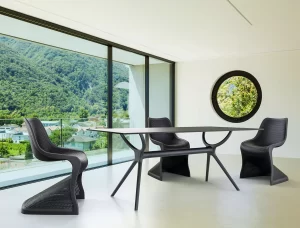

Hospitality Furniture Procurement Guide for Venues

A busy Saturday service exposes every weak furniture decision. Chairs that wobble, tables that cannot be reset quickly, outdoor settings that fade after one season, and bar stools that look sharp but feel uncomfortable will all affect the guest experience and your team’s workflow. This hospitality furniture procurement guide is designed for Australian venue operators, fit-out teams and buyers who need to make commercially sound choices without compromising the look of the space.
Start with the way your venue actually operates
Furniture should support service, not create work around it. Before choosing a finish, colour or chair profile, map how customers and staff move through the venue. Consider peak covers, table-turn targets, service paths, accessible seating requirements, cleaning routines and the way different zones are used throughout the day.
A compact café may need lightweight chairs that staff can move quickly for pram access or group bookings. A restaurant with longer sittings may justify more generous upholstered seating. In a club, stackable chairs can make a function room more valuable because the layout can change between lunch service, presentations and evening events.
Capacity is central, but it should not be treated as a simple seat count. Packing in extra tables can restrict circulation, slow food runners and make a room feel less inviting. Allow enough clearance for chairs to be pulled out, staff to pass safely and guests using mobility aids to move comfortably. A well-planned floor plan often delivers better revenue than a crowded one because it protects service speed and guest comfort.
Build a hospitality furniture procurement brief
A clear brief prevents purchasing based on appearance alone. It also gives owners, designers, project managers and operations staff a practical reference point when comparing products.
Start by recording the required quantity for each zone, the maximum footprint for tables and seating, preferred materials, target delivery date and available budget. Then include the operational details that are easy to overlook: whether chairs must stack, whether table bases need adjustable feet for uneven floors, and whether furniture will be moved indoors at night.
Specify the expected duty level. A chair used for breakfast, lunch and dinner every day has a very different requirement from one used occasionally in a private dining room. Commercial-grade construction, stable joinery, durable finishes and appropriate weight ratings are worth prioritising where use is frequent. The lowest upfront price can become costly when replacement pieces are needed within a season.
It is also wise to nominate a small set of acceptable finishes rather than one exact option. Stock availability can change during a project, and a considered alternative lets procurement continue without disrupting the visual direction. For multi-site operators, documenting approved products and finishes helps each new venue maintain brand consistency.
Set a realistic budget beyond the unit price
The purchase price is only one part of the cost. Freight, installation, storage, disposal of old furniture and potential replacement stock all need consideration. So does time. Delayed opening dates, staged deliveries and last-minute substitutions can have a greater commercial impact than a modest difference in unit cost.
Allocate budget according to visibility and wear. Spend where guests touch, notice and use furniture most often: dining chairs, bar seating, table tops and outdoor settings. Back-of-house furniture can usually be more functional and straightforward, provided it remains fit for purpose. This approach protects the customer-facing experience while keeping the whole project commercially disciplined.
Select materials for the setting, not the showroom
The right material depends on location, cleaning demands and desired atmosphere. Timber brings warmth and character, but it needs a finish suited to hospitality use and a maintenance plan that accounts for spills, cleaning chemicals and high contact points. Metal-framed furniture can offer excellent strength and a contemporary profile, although the quality of welds, coatings and floor protectors matters.
Polypropylene and other moulded materials are practical choices for high-turnover cafés, casual dining and outdoor areas. They are often lightweight, easy to wipe down and available in colours that support a more relaxed or modern scheme. Upholstered booths and lounge seating add comfort and acoustic softness, but fabric or vinyl selection should reflect the likelihood of food spills, sunscreen, wet clothing and intensive cleaning.
For outdoor hospitality furniture, treat exposure as a procurement requirement rather than an afterthought. Covered terraces, open courtyards and poolside areas each create different demands. UV resistance, corrosion protection, drainage, temperature changes and wind exposure all influence the best choice. An outdoor chair that performs well beneath an awning may not suit an exposed coastal venue.
Table tops deserve equal attention. Laminate, compact laminate, veneer, timber and stone-look surfaces each create a different balance of cost, appearance and maintenance. Confirm how the surface handles heat, moisture, scratching and daily sanitation. If tables will be frequently joined for groups, choose sizes and base configurations that make this easy without leaving awkward gaps or unstable overhangs.
Test comfort, stability and cleanability before ordering
A product image cannot show whether a chair flexes, a stool feels too narrow or a table base interferes with knees. Where possible, assess samples or inspect the furniture in person. Sit in dining chairs for more than a few seconds. Check arm height against table aprons, seat height against the table, and whether the chair can be tucked in neatly.
For bar stools, measure the finished bench height rather than relying on a general description such as counter stool or bar stool. The gap between the seat and benchtop affects comfort, and the wrong height quickly becomes obvious to guests. Check footrest placement too, particularly for longer stays.
Stability is a non-negotiable operational issue. Test tables on the intended flooring type and confirm whether bases include adjustable glides. Review the chair’s contact points with the floor, as unsuitable feet can scratch surfaces, generate noise or wear out prematurely. Ask how each product should be cleaned and which products should be avoided. A beautiful finish that cannot tolerate your regular cleaning routine is not a practical hospitality finish.
Plan quantities, spares and replacements
Ordering exact seat numbers leaves no margin for damage, loss or a sudden layout change. For high-use furniture, holding a small number of spare chairs, stools or table tops can protect service continuity and preserve a consistent look. This is particularly useful for venues operating every day, where a damaged item cannot simply wait weeks for replacement.
The appropriate spare quantity depends on the scale and style of the project. A large pub may keep several matching chairs and bases in reserve. A boutique restaurant with distinctive imported seating may prefer fewer spares but should confirm future availability and lead times. If a product is likely to be discontinued, consider purchasing essential extras at the outset.
Keep a simple procurement record with product names, finishes, quantities, order dates and care instructions. Include photographs of installed furniture and floor-plan references. When a manager changes or a new site is opened, this record saves time and avoids near-match replacements that dilute the design.
Manage stock, dispatch and delivery early
A specification is only useful if the required furniture can arrive when the venue needs it. Confirm stock status at the quotation stage, then reconfirm before finalising the order, especially when furnishing several zones or ordering in volume. Australian-held stock can reduce lead-time risk, but project schedules should still allow for delivery booking, site access and inspection.
Check practical details with the delivery plan: loading dock access, lift dimensions, stairs, delivery windows and whether cartons must be removed from site. Metro-area delivery may be straightforward, while regional locations, islands and difficult-access properties can require extra coordination. Make sure someone is available to receive, inspect and sign for the order, and avoid scheduling delivery while flooring, painting or major building works are still underway.
For larger projects, staged delivery can make sense if storage is limited. However, it can also add handling and coordination costs. The best option depends on whether the site is secure, dry and ready for installation. Furniture Pro supports commercial buyers with Australian-held stock, fast dispatch options and delivery support, helping procurement teams align product availability with operational deadlines.
Protect the investment after installation
The opening week is not the end of procurement. Train staff on stacking limits, safe movement, cleaning methods and how to report loose fittings or damaged glides early. Small maintenance checks can prevent a loose screw or worn floor protector from becoming a safety issue or a larger repair.
Use warranties as part of the decision process, not just as paperwork filed after purchase. Understand what is covered, how claims are managed and what evidence may be needed. A strong warranty and responsive after-sales service are particularly valuable for commercial venues where furniture is part of daily trade.
The best hospitality spaces feel intentional without feeling overdesigned. Choose furniture that fits the pace of your service, the character of your venue and the realities of Australian commercial use. When every piece has a purpose, guests notice the comfort and atmosphere, while your team notices that the room simply works.