


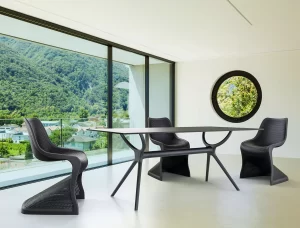

How to Choose Outdoor Dining Sets

A tight courtyard that looks generous in photos can become a bottleneck the moment chairs are pulled back. That is usually where outdoor furniture decisions go wrong – not in the style choice, but in the gap between how a space looks and how it actually operates. If you are working out how to choose outdoor dining sets, the right starting point is not colour or trend. It is capacity, circulation and the level of wear the setting needs to handle.
For hospitality venues, clubs, office breakout areas and commercial outdoor spaces, a dining set has to do more than look good on opening day. It needs to suit the floorplan, support service flow, hold up in Australian conditions and still present well after heavy daily use. A smart buying decision balances visual appeal with practical procurement realities such as stock availability, delivery timing, warranties and ongoing maintenance.
How to choose outdoor dining sets for your space
The first question is simple: what does the area need to do every day? A street-facing café may need compact two-seater settings that can be reconfigured quickly. A pub beer garden may need larger table formats that suit groups and can absorb high turnover. An office terrace might prioritise comfort for longer lunch breaks and informal meetings rather than maximum seating density.
That use case shapes almost every other decision. If diners are staying for an hour over lunch, chair comfort matters more than if the space is built around quick coffee service. If tables are moved often for cleaning or events, weight becomes a practical factor. If the area is visible from the street or your main indoor dining room, the set should also support the broader look of the venue.
It helps to think in terms of function first, then finish. A furniture set that suits your service model will usually perform better than one chosen purely because it matches a moodboard.
Start with measurements, not assumptions
Outdoor areas are often treated as flexible by default, but they still need disciplined planning. Measure the full footprint, then subtract for planters, doors, service access, umbrellas, heaters and any dead zones caused by walls or railings. After that, consider how much room guests and staff need to move comfortably.
A table that technically fits can still be the wrong size if it blocks waitstaff, creates awkward chair pull-out space or limits accessibility. This is especially relevant in hospitality, where cramped layouts affect both customer experience and service efficiency. In commercial settings, good spacing also reduces wear caused by constant knocks and scraping.
If you are furnishing a larger site, map the whole layout before choosing individual sets. Mixed table sizes can often deliver a better result than repeating one format across the area. Two-seaters near an edge, with larger communal tables in open sections, can create a more flexible and commercially useful layout.
Match set size to turnover and table mix
There is no universally correct outdoor dining set size. It depends on how your customers use the space and how often you need to turn tables. Small round or square settings are efficient for cafés and casual venues because they are easy to reposition and combine. Larger rectangular tables make more sense where groups are common and you want a stronger sense of occasion.
The mistake many buyers make is overcommitting to one seating format. A venue built entirely around four-seater settings can struggle when most bookings are couples. On the other hand, too many small tables can make it harder to serve families or groups without constant furniture shuffling.
For commercial buyers, flexibility is often worth more than maximum seat count on paper. Outdoor dining sets that can be rearranged without disrupting the look of the space give you more options during busy periods, private functions or seasonal changes in trade.
Think about chair comfort in real operating conditions
Comfort is not just about cushions. In many outdoor commercial settings, cushions add upkeep, weather exposure and storage issues. A well-shaped chair in resin, aluminium or timber can still provide solid comfort if the proportions are right and the seat height works with the table.
Look closely at arm clearance, back support and overall footprint. Armchairs may feel more premium, but they take up more room and can limit how many people fit around a table. Armless chairs can improve density and flexibility, especially in tighter layouts. Neither is automatically better. It depends on whether your priority is guest dwell time, visual presence or seat count.
Choose materials for Australian conditions
Material choice is where appearance, durability and maintenance all meet. Australia’s outdoor conditions are not gentle. UV exposure, coastal air, rain, heat and day-to-day commercial use all put pressure on furniture finishes.
Aluminium is a reliable choice for many venues because it is lightweight, rust-resistant and easy to move. It suits modern spaces and works well where staff need to reset layouts regularly. Powder-coated finishes can add durability and colour consistency, though quality matters. In lower-grade products, coatings may chip or fade sooner under heavy use.
Resin and polypropylene settings are practical for high-turnover outdoor areas. They are easy to clean, often stackable and generally well suited to casual hospitality environments. The key is choosing commercial-grade construction rather than domestic options that can become brittle or unstable over time.
Timber brings warmth and a more premium visual feel, which can be valuable in design-led venues. But it usually asks for more maintenance. In covered outdoor spaces, timber can perform well and soften a hard architectural setting. In fully exposed areas, buyers need to be realistic about the upkeep required to preserve the finish.
Steel can offer strength and a sharper profile, but it needs the right treatment for outdoor use. In coastal or exposed locations, corrosion resistance becomes especially important. That is where understanding the specification matters more than simply liking the look.
Covered, semi-covered or fully exposed?
This is one of the most practical filters when deciding how to choose outdoor dining sets. A covered terrace has different demands from a footpath dining area that gets full afternoon sun and wind. If the space is fully exposed, low-maintenance materials and weather-tolerant finishes usually make more commercial sense than delicate or high-care options.
Semi-covered spaces can be deceptive. Furniture may still be exposed to blowing rain, dirt and UV from one side, so it is worth planning for more wear than the roofline suggests. Buyers who are realistic about exposure from the start tend to make better long-term choices.
Don’t separate style from brand presentation
Outdoor dining furniture often creates the first impression of a venue. Before a customer sees the menu or meets your staff, they have already formed a view based on the frontage and the seating area. That makes style an operational decision as much as a design one.
If your venue leans refined and premium, lightweight plastic sets may undermine the experience even if they are practical. If your concept is casual, fast-moving and value-led, oversized statement furniture may add cost without improving trade. The best outdoor dining sets align with the position of the business, not just current trends.
Consistency also matters. Outdoor furniture does not need to exactly match the indoor setting, but it should feel related. Similar tones, complementary materials or shared lines across the furniture range can make the whole site feel more considered.
Think beyond purchase price
A cheaper set is not always the lower-cost option. For commercial buyers, the real cost includes lifespan, maintenance, replacement frequency and how the furniture performs under daily use. If a set looks tired after one season, wobbles under pressure or needs frequent touch-ups, the savings disappear quickly.
This is also where procurement confidence matters. Stock held locally, dependable dispatch, clear warranty terms and after-sales support can make a significant difference when you are furnishing to a deadline or replacing damaged items later. Businesses do not just buy furniture – they buy reliability around that furniture.
For many buyers, that means choosing a supplier with commercial-grade ranges and service processes built around operational timelines. That is particularly relevant for venue openings, refurbishments and staged upgrades where delays create flow-on costs.
A quick check before you commit
Before placing an order, review the set against five practical questions. Does it suit the actual dimensions of the space? Will it support your expected customer mix? Is the material appropriate for the site exposure? Does the style fit your brand presentation? And can you source it with the stock support, warranty coverage and delivery timing your project needs?
If any one of those answers is unclear, it is worth pausing. A dining set may look right in isolation and still be wrong for the job.
The best outdoor spaces feel effortless to the customer, but they are usually the result of disciplined choices behind the scenes. Choose a set that works as hard as your venue does, and the space will keep delivering long after the fit-out is finished.