


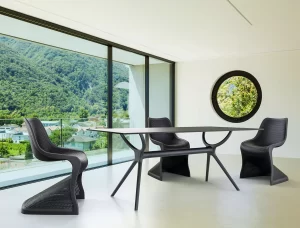

Cafe Tables for Small Spaces That Work Hard

A tight floor plan shows every decision you make. In a compact venue, the wrong tabletop can choke circulation, limit covers and make the room feel cluttered before the first coffee is poured. The right cafe tables for small spaces do the opposite – they create breathing room, support smoother service and help the whole venue feel more considered.
For café operators, fit-out teams and venue managers, this is not just a styling exercise. Table choice affects capacity, cleaning time, customer comfort and how easily staff can move through the room during peak trade. In smaller footprints, those details are not minor. They shape how well the space performs every day.
What small spaces really demand from a table
Small venues ask more from furniture. A table needs to look proportionate, but it also has to earn its place operationally. That usually means balancing three things at once: footprint, durability and flexibility.
A table that is too large can reduce the number of usable seats and create awkward bottlenecks near the counter, entry or service path. A table that is too small may technically fit, but if it cannot comfortably hold two meals, drinks and a payment terminal, customers notice. In hospitality, compact should never feel compromised.
The smartest choices usually come from understanding how the room is used across the day. A breakfast and takeaway crowd may need quicker turnover and simpler layouts. A neighbourhood café with longer dwell times may need more elbow room and a warmer visual presence. There is no single perfect table size for every small venue. It depends on your service style, customer mix and how often you need to reconfigure the floor.
Best cafe tables for small spaces by shape
Shape has more impact than many buyers expect. It affects not only how much room the table takes up, but also how people move around it and how easily you can place multiple settings within the room.
Round tables soften tight layouts
Round tables are often the easiest way to make a compact café feel less rigid. With no corners to navigate, they improve flow in narrow areas and reduce the chance of customers or staff clipping edges as they pass. They also tend to feel more social, which suits casual coffee settings and light dining.
The trade-off is efficiency against walls. Round tops rarely sit as neatly against banquette seating or perimeter zones, so if every square metre counts, they may leave some dead space. They work best in central floor positions or window areas where circulation matters more than tight alignment.
Square tables maximise planning efficiency
Square tables are a reliable option when you want order and flexibility. They line up neatly along walls, can be arranged in rows and are often easier to combine for larger groups. In a small venue, that modularity matters. Two compact square tables can serve couples during quiet periods, then be pushed together when a group walks in.
Their weakness is corners. In especially narrow aisles, square edges can make the room feel tighter. That does not rule them out, but it does mean sizing and spacing need to be handled carefully.
Rectangular tables suit narrow footprints
If your café is long and slim, rectangular tops can make very good use of the available shape. They can support bench seating on one side and chairs on the other, helping you gain seating without forcing the room to feel crowded.
The downside is permanence. Rectangular tables can lock the layout into one pattern, which is not ideal if your service needs change often. In very small spaces, flexibility is often worth more than a slight gain in surface area.
Sizing that supports both covers and comfort
The most common mistake in compact venues is buying for maximum seat count without allowing for actual use. On paper, the floor fits more tables. In practice, chairs cannot pull out properly, customers feel cramped and staff start taking awkward routes around the room.
For two-person settings, smaller tops usually deliver the best return on space. They provide enough room for coffee service, light meals or casual dining without wasting footprint. If your menu includes larger share plates, laptops or frequent table service, you may need to scale up slightly.
Base design also matters. A pedestal base often performs better than four legs in a small setting because it gives customers more foot room and makes chair placement easier. That can turn a tighter table size into a more comfortable seat. By contrast, a legged base can be perfectly suitable in some styles, but it needs careful matching to the chair dimensions and intended use.
Materials matter more in compact venues
In a smaller café, every surface is more visible. Customers sit closer to each other, the furniture is seen from more angles and wear becomes obvious faster. Material selection should support both presentation and daily cleaning.
Compact indoor venues often benefit from tabletops that are easy to wipe down and resistant to staining, heat and frequent handling. Laminates and commercial-grade compact surfaces are practical because they keep maintenance straightforward and tend to hold their finish well under consistent use. Timber looks warm and inviting, but it may require more ongoing care depending on the finish and environment.
For outdoor or semi-outdoor areas, weather resistance becomes non-negotiable. A good-looking table is not a good commercial decision if it struggles with sun, moisture or heavy turnover. In covered terraces and footpath dining zones, buyers usually need materials that can handle changing conditions without adding unnecessary maintenance.
This is where commercial-grade specification pays off. Hospitality furniture is not just about appearance. It needs to withstand repeated use, regular cleaning and movement across the floor, all while maintaining a professional finish.
Layout planning for cafe tables for small spaces
A strong table choice can still underperform in the wrong layout. In compact cafés, planning the room around service movement is just as important as choosing the table itself.
Start with the paths staff use most often: from counter to floor, from kitchen pass to tables, and from entry to collection points. Those routes need to remain natural during busy periods. If a table interrupts them, it will become a daily frustration no matter how attractive it looks.
Window seating, wall runs and corners usually carry the heaviest load in a small fit-out. That makes banquette-friendly tables and neat square formats especially useful. Central floor space should be treated more carefully. It can quickly become overcrowded if too many tables are pushed into the middle to chase extra covers.
There is also a visual side to layout. Lighter-looking bases, slimmer profiles and consistent finishes can make a smaller room feel more open. Bulkier designs may still work, particularly in venues aiming for a more grounded or premium look, but they need more room around them to avoid visual congestion.
When folding, stackable or mix-and-match options make sense
Not every small venue stays the same all week. Some cafés host larger weekend crowds, switch between takeaway and dine-in emphasis, or need to clear floor area for cleaning and maintenance. In those cases, flexibility can be just as valuable as aesthetics.
Folding tops and stackable combinations are practical for venues that regularly adjust their layout. They are especially useful in multi-use spaces, event spillover areas and compact outdoor zones where capacity changes with the weather. The compromise is often visual refinement. Some highly flexible products look more utilitarian, so buyers need to decide where they sit on the scale between appearance and adaptability.
A mix-and-match approach can also work well. For example, fixed tables along walls and more flexible settings in the middle of the floor can give you a stable layout with room to adjust when needed. That kind of planning tends to perform well in cafés where seating demand is less predictable.
Buying with procurement in mind
For commercial buyers, the right table is not just the right style. It also needs to be available, durable and practical to source in the quantities required. Stock holding, dispatch speed and metro delivery support matter when a fit-out has deadlines or a venue needs replacements quickly.
Consistency across a range is another factor worth checking. If you may expand the venue, replace damaged pieces or roll the same look across multiple sites, product continuity matters. That is one reason many buyers prefer dealing with suppliers who understand hospitality procurement rather than treating café furniture as a purely decorative category.
Furniture Pro Australia works in this space because commercial buyers need more than a nice product photo. They need confidence that the tables will suit the use case, arrive on time and stand up to service.
The best cafe tables for small spaces do not simply fit the room. They improve how the room works, how the venue looks and how confidently you can run it when trade picks up. If a table gives you that balance, it is doing more than filling a floor plan – it is helping the whole space perform better.