


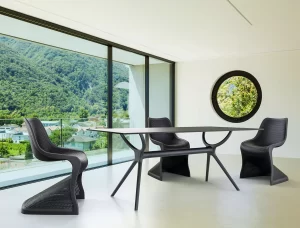

How to Furnish Restaurant Patio Spaces
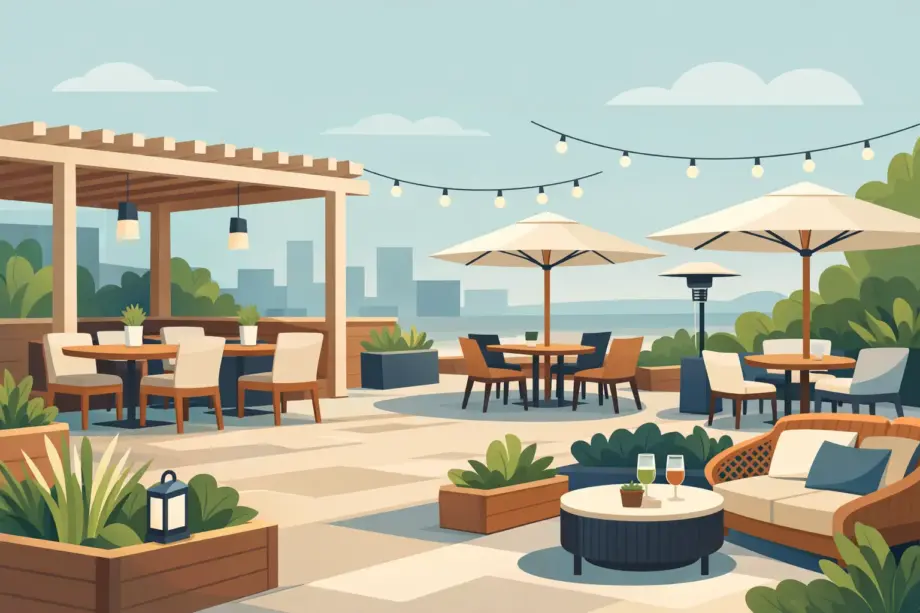
A restaurant patio can earn its keep fast – but only if it works as hard as the dining room. If you are working out how to furnish restaurant patio areas, the brief is never just about looks. You need furniture that handles weather, traffic, cleaning, turnover speed and customer comfort, while still making the venue feel considered from the street.
Outdoor dining has become a serious part of hospitality trade across Australia. For some venues, the patio is the first impression. For others, it is the overflow area that carries weekend service, functions or seasonal demand. Either way, furnishing it properly means thinking like both a designer and an operator.
Start with service style, not furniture
The best patio setups begin with the way the space will actually be used. A quick-service café with frequent table turns needs a different mix from a wine bar where guests settle in for two hours. If your team is moving often through the area with trays, coffee runs or shared plates, you need a layout that supports circulation as much as seating.
That is why the first decision is not chair colour or tabletop shape. It is whether the patio is built for fast dining, casual drinks, long lunches or flexible all-day use. Once that is clear, furniture choices become easier to narrow down.
A compact espresso bar may get better value from smaller square tables that can be rearranged quickly. A bistro might prefer two-top and four-top combinations that join cleanly for group bookings. If the patio supports cocktails or waiting guests, bar-height tables, stools and lounge seating may make more commercial sense than standard dining settings.
How to furnish restaurant patio seating for comfort and turnover
Comfort matters, but in hospitality, comfort needs to match dwell time. Seating that is too upright can feel rushed. Seating that is too soft can slow turnover and create cleaning headaches. The right balance depends on your average spend, service model and target customer.
Dining chairs should feel stable, supportive and easy to move in and out. Arms can add comfort, but they also take up more room and can limit how tightly tables sit together. In tight footprints, armless chairs usually give you more flexibility. In premium venues where guests linger, armchairs can justify the extra space.
Stools suit patios with limited room or more casual trade, but they are not ideal for every demographic. If your customer base includes older diners or family groups, too much high seating can narrow appeal. Lounge pieces can help soften the look of an outdoor area, though they work best in zones designed for drinks, waiting or shared plates rather than full dining service.
Stackability is another practical factor that often gets overlooked. If furniture needs to be moved for cleaning, bad weather or event resets, stackable chairs can save staff time and storage headaches. For many venues, that operational benefit outweighs small differences in styling.
Choose materials for Australian conditions
Patio furniture has to deal with more than sunshine. Depending on your location, it may face salt air, sudden rain, harsh UV, grease, spilled drinks and constant wipe-downs. Residential-grade pieces rarely last in that environment.
Aluminium is a strong commercial option because it is lightweight, rust-resistant and easy for staff to handle. Powder-coated finishes give you more design range, though finish quality matters. In poor-quality products, coatings can chip and age quickly in high-use settings.
Polypropylene and other commercial plastics are popular for outdoor hospitality because they are durable, easy to clean and often stackable. They suit casual dining and high-turnover spaces especially well. They may not deliver the same visual warmth as timber, but they can hold up better over time with less maintenance.
Timber can look excellent on a patio, particularly for venues chasing a warmer or more premium feel. The trade-off is upkeep. Outdoor timber generally needs more ongoing care, and some finishes weather faster than buyers expect. If you want the look of timber without the maintenance load, compact laminate or timber-look surfaces can be a practical alternative.
Tabletops deserve as much scrutiny as seating. Outdoor dining surfaces should resist moisture, heat and frequent cleaning chemicals. Werzalit, compact laminate and certain treated commercial tops are often better suited to hospitality use than decorative indoor surfaces that simply happen to look the part.
Build the layout around movement
A patio can be full without feeling crowded, or half-full and still awkward. The difference usually comes down to layout. Before ordering furniture, map the path staff take from service point to table, the way guests enter and exit the area, and where prams, bags or waiting customers tend to gather.
Round tables can improve flow in tighter footprints because they soften corners and reduce knock points. Square and rectangular tables are often more efficient for maximising covers, especially when pushed together for larger bookings. There is no universal winner. It depends on whether flexibility or seat count matters more to your venue.
Keep clearances realistic. A layout may look efficient on paper but fail during service once chairs are pulled out and staff are carrying plates. If the patio sits on a footpath frontage, local compliance and pedestrian access also need to shape the plan. It is far cheaper to get that right before purchase than after delivery.
Make the patio feel like part of the venue
One of the most common mistakes in outdoor fit-outs is treating the patio as a separate leftover zone. Customers notice when the look changes too sharply from inside to outside. The furniture does not need to match piece for piece, but it should feel connected in material, tone and overall style.
If your indoor venue leans modern and minimal, heavy faux-rustic outdoor settings can feel disconnected. If the interior is warm and textured, an all-plastic patio may look too utilitarian unless balanced with planters, umbrellas or softer finishes. Cohesion matters because it shapes perceived quality.
This is where commercially minded buyers need to balance price against presentation. The cheapest available setting can cost more in the long run if it weakens the venue image or needs replacing too soon. A patio is visible from the street, often photographed, and frequently judged before customers read the menu.
Think beyond tables and chairs
When planning how to furnish restaurant patio zones, supporting pieces often make the biggest difference to usability. Umbrellas, bar tables, bench seating, divider screens and outdoor lounges can help the space do more than one job.
Not every patio needs all of those elements. In fact, overfurnishing can make the area feel cluttered. But where space allows, mixed seating types can broaden trading opportunities. A standard dining section paired with one or two bar-height spots or a casual waiting area can increase flexibility without overcomplicating service.
Shade is especially important in Australia. Customers may tolerate sun for a short coffee stop, but not for a full meal in summer. If your furniture plan ignores shade, comfort and dwell time will suffer no matter how attractive the chairs are.
Buy for operations, not just opening day
A patio fit-out often looks its best in the first month. The real test comes after a season of use. Can staff clean it quickly at close? Do table bases stay stable on the surface? Are replacement items available if one piece is damaged? Will the range still look coherent if you need to add ten more chairs later?
This is where commercial procurement matters. Consistent stock access, reasonable dispatch times, warranty support and after-sales service are not small details for a working venue. They are part of keeping the space operational. Furniture Pro Australia works with buyers who need that balance of design and dependable supply, especially when a project timeline or replacement cycle leaves little room for guesswork.
It also helps to think in phases. If budget is tight, prioritise the core pieces that carry service first: dining chairs, tables and shade-supporting items. Accent pieces can come later. A clean, durable and well-planned patio will usually outperform a more ambitious setup that looks good initially but creates service friction.
Furnish for the venue you want to run
The right patio furniture should support revenue, staff efficiency and the customer experience at the same time. That usually means resisting impulse buys and focusing on commercial-grade pieces that fit your service style, layout and conditions.
A good patio does not feel overdesigned. It feels easy to use, easy to maintain and right for the venue. When the furniture supports the way your team works and the way your guests want to stay, the space starts paying you back from the moment the first table is seated.