


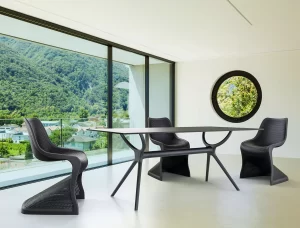

Choosing Outdoor Dining Settings for Venues

A street-facing café with empty outdoor tables rarely has a traffic problem. More often, it has a furniture problem. The right outdoor dining settings do more than fill a frontage or courtyard – they shape first impressions, affect table turnover and determine how well a space performs through sun, spills and daily commercial use.
For hospitality operators, venue managers and fit-out buyers, outdoor furniture is rarely a decorative extra. It is part of service delivery. It needs to look sharp, handle weather exposure, support efficient cleaning and still feel comfortable enough to keep guests seated. That mix of visual appeal and day-to-day practicality is where many buying decisions either pay off or become expensive replacements six months later.
What good outdoor dining settings need to do
In commercial spaces, outdoor furniture has a tougher job than indoor furniture. It deals with UV, rain, temperature shifts, foot traffic and constant movement. At the same time, it sits in full view of passing customers, which means appearance matters just as much as durability.
That is why a good setting starts with function. Think about how your outdoor area is actually used. A busy café strip with frequent table turns needs lightweight, easy-care pieces that staff can reset quickly. A pub beer garden might need heavier tables and sturdy seating that can handle longer stays and larger groups. A hotel terrace may lean more heavily into comfort and a premium finish.
The best buying decisions come from matching furniture to service style, not just matching chairs to tables.
Start with the layout, not the product
It is tempting to begin with a chair style or a tabletop finish, but layout should come first. Outdoor areas often have more constraints than buyers expect. Narrow access paths, uneven surfaces, planter boxes, umbrellas, council spacing rules and service routes all affect what will actually work.
Measure the space with operational movement in mind. Staff need to pass between tables without turning sideways. Guests need enough room to sit down comfortably. If tables are too large for the footprint, the venue can end up looking crowded even when half full.
For most hospitality layouts, smaller two-top and four-top combinations offer more flexibility than relying on large fixed settings. They can be pushed together for groups, separated during quieter periods and adjusted as service needs change. That flexibility matters in outdoor zones where capacity can shift with weather, bookings and seasonal demand.
Outdoor dining settings for small spaces
Compact spaces benefit from furniture with a smaller visual footprint. Slim-profile chairs, round tabletops and stackable seating can make a tight area feel more usable without sacrificing capacity. In laneway cafés and footpath dining areas, lighter-looking frames often help the space read as open and inviting.
That does not always mean choosing the smallest piece available. Comfort still matters. If guests feel cramped, they are less likely to linger, order again or return.
Material choice is where performance is won or lost
Materials carry most of the workload outdoors. A setting may look right on day one, but if the finish fades quickly or the frame struggles with moisture, the long-term value disappears.
Aluminium remains a strong commercial option because it is lightweight, resistant to rust and generally easy to maintain. It suits venues that need to move furniture regularly or reconfigure layouts through service. Powder-coated aluminium can also give a cleaner, more architectural finish, which works well in contemporary hospitality settings.
Polypropylene and other commercial-grade resins are practical for high-turnover venues. They are easy to wipe down, often stackable and available in colours that support a stronger design statement. The key is commercial quality. Residential-grade plastic may be cheaper upfront, but it rarely holds up under frequent use.
Timber brings warmth and character, especially in garden settings, coastal venues and more premium dining areas. It can be an excellent choice, but it comes with maintenance expectations. If your team cannot commit to regular care, timber may age unevenly or lose its finish faster than expected.
Steel can provide a more substantial feel and strong visual presence, though it tends to be heavier and needs the right protective treatment for outdoor use. In windy areas, that extra weight can be an advantage. In fast-moving service environments, it can slow staff down.
Matching material to venue conditions
Not every outdoor area is exposed in the same way. A covered courtyard has very different demands from a beachfront deck or a fully open footpath setting. Salt air, direct afternoon sun and heavy rainfall all influence which materials perform best.
This is where buyers should be realistic. If furniture will stay outside year-round, low-maintenance and weather-tolerant materials usually make better commercial sense than finishes that need regular upkeep to keep their appeal.
Style matters, but consistency matters more
Customers notice outdoor furniture before they notice your menu font or tableware. It creates an immediate signal about price point, venue personality and overall quality. Casual mismatch can work in some concepts, but inconsistency that looks accidental tends to weaken the brand experience.
A better approach is to define the visual direction first. Are you aiming for relaxed coastal, urban minimal, classic bistro or polished resort style? Once that is clear, the furniture selection becomes easier. Frames, colours and tabletop finishes can work together instead of competing for attention.
For many commercial buyers, neutral bases with selective accents are the safest long-term option. Charcoal, white, black, timber-look and muted earthy tones are easier to integrate across seasons and less likely to date quickly. A bold colour can still work, particularly in cafés and casual dining venues, but it should feel intentional and aligned with the broader fit-out.
Comfort has a direct commercial effect
Outdoor dining does not need lounge-level softness, but it does need proper support. Seats that are too low, backs that are too upright or tables at awkward heights can affect the whole customer experience.
In quick-service environments, moderate comfort is often enough. In licensed venues, rooftop bars and hotel spaces, comfort tends to influence dwell time more directly. That may mean wider seats, better back support or a more generous table format that encourages food and beverage upsell.
There is always a trade-off. Heavily cushioned pieces may look inviting, but they often require more maintenance and weather management. Hard-surface seating is easier to clean and store, though it may not suit every concept. The right decision depends on how long guests are expected to stay and how much hands-on care your team can realistically provide.
Practical details buyers should not overlook
Many furniture issues are not about style or material. They come down to procurement oversights. Stackability, replaceable feet, weight, cleaning access and lead times all matter once the venue is operating.
If your team packs down furniture nightly, stackable chairs can save serious labour over time. If the floor surface is uneven, adjustable feet or stable frame design will reduce wobble complaints. If your venue is in a high-traffic precinct, easy-clean finishes and scuff resistance become far more important than they might appear in a product photo.
Commercial buyers should also consider stock continuity. If you need to expand the layout later or replace damaged pieces, being able to source matching product without a long wait can make a real difference. This is one reason many venues prefer established suppliers with Australian-held stock and clear warranty support rather than buying ad hoc across multiple sources.
When to buy settings and when to build a mix
Not every outdoor area needs matching packaged settings. In some venues, buying coordinated tables and chairs as a set creates speed, consistency and easier decision-making. It is a practical route for straightforward layouts and quick fit-outs.
In other spaces, a mixed approach works better. Standard dining tables with a feature chair, or a consistent chair style across multiple table sizes, can create a more tailored result. This is often useful when a venue has several outdoor zones with different functions, such as a footpath dining strip, a courtyard and a waiting area.
The trick is keeping enough consistency across the pieces so the overall space still feels considered. Too much variation can make even quality furniture look pieced together.
Buying for the long term
Price always matters, especially across larger quantities, but replacement costs matter too. Cheap furniture often costs more once breakages, fading and early replacement are taken into account. For commercial environments, value usually comes from durability, consistent supply and products that continue to look presentable under pressure.
That is why experienced buyers assess more than the unit price. They look at warranty terms, maintenance demands, delivery timing and whether the product is genuinely suited to hospitality use. Furniture Pro Australia works with many buyers making exactly these decisions – balancing design, budget and operational performance without slowing down a project.
Outdoor areas can be some of the hardest-working parts of a venue. If the furniture is chosen well, it helps the space earn its keep every day, while still looking like a place people want to sit down and stay awhile.