



Hotel Furniture That Works Harder for Every Stay
At 7 am, a hotel lobby may host early arrivals, business meetings, breakfast traffic and guests checking out with luggage. By evening, the same space needs to feel calm, comfortable and considered. Hotel furniture has to do more than look impressive in a fit-out photograph. It must support the pace of daily operations, withstand frequent use and help create a stay guests remember for the right reasons.
For owners, operators and fit-out teams, the best furniture decisions balance appearance with practical realities: room turnover, cleaning routines, storage, floor protection, delivery access and replacement lead times. A cohesive result is valuable, but so is choosing seating, tables and lounges that remain reliable after hundreds of guests have used them.
Start With the Guest Journey
The strongest hotel interiors are planned around how people move through the venue rather than selecting each item in isolation. A guest’s first impression is usually formed at reception, in the lobby or while waiting for a lift. These areas need comfortable seating and occasional tables that invite people to pause without creating clutter around key circulation routes.
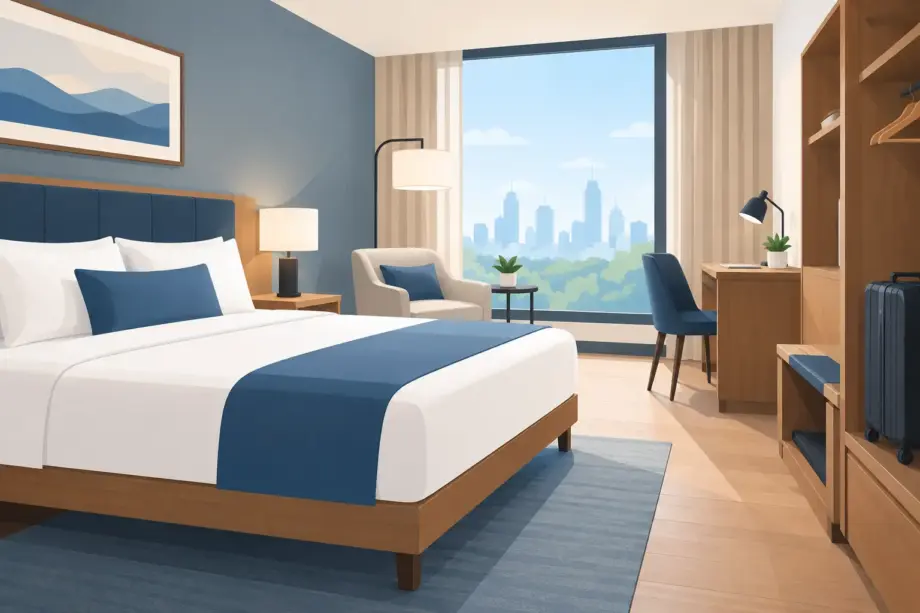
Guest rooms have a different job. Furniture must make limited floor space work harder, especially in compact city accommodation. Bedside tables need enough surface area for a mobile, glasses and a water bottle. A desk or console should support business travellers without making the room feel cramped. Luggage benches, occasional chairs and compact dining settings can add useful function, provided they do not interrupt movement between the entry, bed and bathroom.
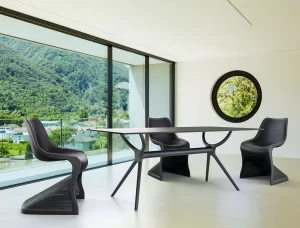
Dining spaces need to accommodate changing covers, staff movement and quick resets. The right table sizes and chair footprints can make service more efficient, while a mix of standard-height dining, bar seating and lounge zones creates choice for different groups. Outdoor terraces and poolside areas call for furniture that suits the local conditions and can be repositioned when weather or events demand it.
Choose Hotel Furniture for Daily Use
A hotel environment puts furniture under far more pressure than a private home. Chairs are dragged across flooring, bags catch on table edges, spills happen at breakfast and outdoor pieces face sun, rain and salt air in coastal locations. Commercial-grade construction should be the starting point, not an upgrade considered later.
Look closely at the materials and construction behind the finish. Metal frames should be suitable for the setting, with protective finishes that support long-term appearance. Timber furniture needs a finish appropriate to regular cleaning and hospitality use. Upholstered seating should use fabrics or vinyls selected for abrasion resistance, stain management and the level of maintenance your team can realistically provide.
Comfort still matters. A dining chair can be highly durable yet feel unsuitable if its proportions make guests want to leave after 20 minutes. Similarly, a lobby lounge with deep cushions may look inviting but be difficult for older guests to get out of. The right choice depends on the intended dwell time, guest profile and service model.
Prioritise stable, serviceable pieces
A table that rocks on a tiled floor can undermine an otherwise polished dining room. Stable bases, quality glides and sensible table dimensions are essential. In high-turnover areas, consider furniture with components that can be repaired or replaced rather than discarding a complete item when a seat pad, tabletop or foot cap wears out.
This is also where simpler designs often have an advantage. Intricate forms can be visually striking, but they may collect dust, complicate cleaning or expose more edges to damage. A clean, well-made profile is usually easier to maintain and easier to match when future replacements are required.
Plan Each Zone Before You Order
Ordering by product category alone can lead to mismatched heights, crowded rooms and expensive last-minute changes. Begin with a zone plan that identifies capacity, circulation, key sightlines and the practical needs of staff.
In a lobby, allow enough clear space around lounge settings for luggage, prams and accessible movement. Add coffee tables where guests can place a drink or laptop, but avoid low tables that become obstacles in busy walkways. Reception stools or task chairs should support the team through long shifts while complementing the front-of-house design.
For guestrooms, measure everything, including door swings, wardrobe access, power-point locations and the path used by housekeeping trolleys. A beautiful armchair is not a good purchase if it prevents a suitcase from being opened or makes the room harder to service. In apartment-style accommodation, dining chairs and tables should be compact enough for everyday flexibility without appearing undersized.
Restaurant, bar and breakfast areas benefit from a seating mix. Standard dining chairs provide consistency and easy capacity planning, while booths, bar stools and occasional lounge seats can create visual rhythm. Keep table heights compatible with their chairs and stools. It sounds basic, but incompatible proportions are a common and costly fit-out error.
For outdoor zones, select materials suited to exposure and establish a clear storage plan. Stackable chairs and foldable tables can be especially practical where furniture needs to be packed away, rearranged for functions or moved inside during severe weather.
Build a Consistent Look Without Making Every Area Identical
Hotels need a recognisable visual identity, but repeating the same chair and table across every space can make the property feel flat. A better approach is to set a consistent design direction through colour, materials and silhouette, then vary the furniture by function.
For example, a warm timber tone might appear in guest room desks, lobby tables and restaurant tabletops, while seating shifts from upholstered lounge chairs in reception to durable dining chairs in the breakfast area. Black powder-coated bases can create continuity across indoor and outdoor settings, provided the finish suits the relevant environment.
Consider how colours will perform over time. Pale upholstery can create a premium, light-filled look but may need more intensive maintenance in high-traffic areas. Dark finishes are forgiving, although they can show dust or feel visually heavy in smaller rooms. Mid-tone timbers, textured fabrics and considered accent colours often strike a workable balance between presentation and upkeep.
Make room for operational details
The best-looking hotel furniture can still cause problems if it does not work for the people running the venue. Check chair weight before committing to a large dining room order. Heavy chairs may feel substantial to guests, but they slow resets and increase strain for staff. Check whether tables can be joined for groups, whether bases allow chairs to tuck in neatly and whether the floor surface needs specific glides.
Also consider delivery and installation early. Confirm lift dimensions, loading dock access, stairwells, door widths and where packaging can be removed. Businesses furnishing regional properties or working to a tight opening date should place particular value on Australian-held stock, clear dispatch expectations and a supplier that can support after-sales needs.
Buy for Replacement, Not Just Opening Day
A hotel fit-out rarely remains untouched. Rooms are refreshed, a chair may be damaged, an outdoor area may expand or a new dining concept may require extra seating. Choosing furniture from established commercial ranges gives you a better chance of maintaining continuity later.
Keep a record of product names, finishes, quantities and supplier details for every zone. Order a small number of spare pieces where practical, particularly for dining chairs, bar stools and outdoor seating. This can be more cost-effective than trying to source a close match years later when a product has changed or been discontinued.
Warranties matter too, but they should be read alongside the intended application. A piece designed for indoor commercial use may not be suitable for a pool deck, even if the style appears right. Match the warranty conditions, maintenance requirements and environment before finalising the order.
Furniture Pro Australia helps hospitality buyers source commercial furniture across guest-facing, dining, workspace and outdoor areas, with design-conscious options supported by local stock and dependable fulfilment.
A well-furnished hotel should feel effortless to the guest and manageable to the team behind it. Choose pieces that suit the daily rhythm of your property, leave room for future change and continue to present well long after opening week.