


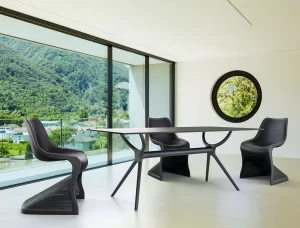

Outdoor Tables for Busy Commercial Spaces
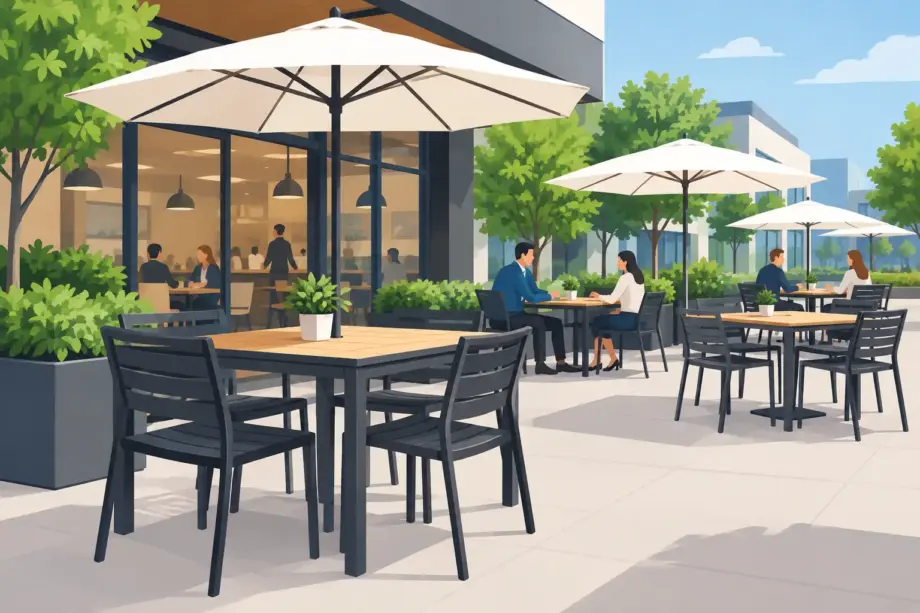
A wobbly table can disrupt an otherwise excellent service in seconds. For cafés, pubs, clubs, hotels and workplace terraces, outdoor tables need to do more than look good at opening time. They need to stay stable through busy sittings, tolerate weather exposure, clean down quickly and support the way guests actually use the space.
The right specification protects both the customer experience and the operating budget. A table that suits a quiet, covered courtyard may fail quickly on an exposed beachfront deck. Likewise, a compact bistro setting may need a very different table base from a high-turnover dining terrace. Buying for the environment, layout and service model first leads to a far better result than choosing on appearance alone.
Choose outdoor tables around the service setting
Start with how the area earns its keep. A quick-service café often benefits from smaller two-person tables that can be pushed together for groups. A restaurant with full table service needs enough surface area for plates, drinks, shared dishes and point-of-sale equipment without crowding guests. In a club or hotel beer garden, larger formats may suit longer stays and group bookings, but they must still allow staff to move efficiently between settings.
Table height changes the atmosphere as well as the function. Standard dining-height tables are the most versatile option for meals, meetings and accessible seating arrangements. Bar-height tables create energy in casual spaces and work well beside high stools, but they are not the best choice for every guest or every occasion. Coffee tables and low lounge tables suit poolside and relaxed breakout areas, where food service is lighter and comfort takes priority.
The footprint matters just as much as the height. Round tables improve circulation and are a practical choice in narrow paths or irregular layouts. Square tops create neat rows and can be joined for flexible group seating. Rectangular outdoor tables make efficient use of long walls, decks and communal dining zones. There is no universally best shape – the right choice depends on available space, expected party size and whether the layout needs to change from day to day.
Materials that suit Australian outdoor conditions
Australia’s climate asks a lot of commercial furniture. Heat, UV exposure, salt air, heavy rain and sudden temperature changes can all affect the finish and lifespan of an outdoor setting. Covered spaces provide more protection, but even a sheltered venue may deal with wind-blown rain, condensation and intensive daily use.
Aluminium is a strong all-round option for commercial outdoor tables. It is relatively lightweight, corrosion resistant and easy to move when staff need to reset a space. Powder-coated aluminium introduces colour and visual definition, although scratches should be attended to promptly in coastal or high-wear locations to help preserve the finish.
Polypropylene table tops and moulded table designs are practical for casual hospitality settings. They are easy to wipe down, cope well with spills and offer dependable weather resistance. This material is particularly useful where tables are moved frequently, stacked in storage or used around pool areas.
Compact laminate tops offer a more refined, architectural look while remaining highly suitable for commercial use. Quality compact laminate is dense, moisture resistant and available in timber-look, stone-look and solid colour finishes. It is a good fit for venues that want a polished dining aesthetic without the maintenance demands of natural timber.
Timber brings warmth and character, but it requires a realistic maintenance plan. Well-finished hardwood can be an excellent choice under cover or in design-led settings, provided staff can clean it correctly and the venue is prepared for periodic oiling or refinishing. Fully exposed timber tables may weather attractively, but that weathering is not always consistent and may not match a tightly controlled brand presentation.
Steel bases provide reassuring weight and strength, especially for larger tops. Look for finishes appropriate to the location, particularly near the coast. A material that performs well in a protected inner-city courtyard may need a different coating system on a seaside terrace.
Stability starts with the base
Guests rarely mention a stable table, but they will remember a rocking one. Outdoor surfaces are often less even than indoor floors, whether they are paved courtyards, timber decks, concrete slabs or tiled balconies. This makes the base configuration a procurement detail worth getting right.
A central pedestal base gives guests more leg room and keeps chairs from colliding with table legs. It is especially useful with round and square tops, and it makes it easier to push tables together. However, the base needs enough weight and spread to support the chosen top size. An oversized top on a light pedestal is a common cause of instability.
Four-leg frames can be highly stable on level flooring and suit rectangular tops well. On uneven paving, adjustable feet are valuable, allowing staff to correct minor movement rather than relocating the table or improvising with folded coasters. For windy locations, assess the whole table rather than the base alone. A heavy base helps, but top size, table height and local wind exposure all affect performance.
Before ordering, confirm the recommended top dimensions for each base. This is a practical safeguard against mismatched components and helps ensure tables remain stable through daily cleaning, rearranging and service.
Plan the layout before selecting the range
An appealing furniture range can still underperform if the layout is congested. Measure the usable area, not just the overall patio or deck. Allow for planters, doors, steps, handrails, heaters, service stations and the space required for chairs to move back. Staff need clear routes for trays, cleaning equipment and emergency access.
Seat count should not be the only target. A tightly packed terrace may appear profitable on a floor plan, yet create poor guest comfort and slower service when it opens. Build in practical circulation, particularly around entry points, accessible seating positions and high-traffic routes to the bar or kitchen.
Think through the likely mix of bookings. A venue serving mostly couples during the week and groups on weekends may use a modular arrangement of two-person tables that combine easily. A corporate rooftop or office breakout zone may instead need a blend of café tables, communal tables and low lounge settings to support different work and social uses.
Colour and finish should support wayfinding and brand identity without making the space feel over-designed. Neutral bases can make future refreshes easier, while coloured table tops or coordinated chairs can create a recognisable hospitality look. In high-sun areas, very dark finishes can become uncomfortably hot, while heavily textured surfaces may hold dirt and require more detailed cleaning.
Make cleaning and storage part of the specification
Outdoor furniture is handled hard. It is wiped several times a day, moved for functions, exposed to sunscreen and food spills, and occasionally dragged across paving. A table that looks impressive but takes too long to clean is not a commercial solution.
Ask practical questions before committing to a range. Can the surface be cleaned with the products your team already uses? Are replacement feet, tops or bases available if an item is damaged? Can tables be stacked, nested or moved efficiently when weather changes or a private function requires an open floor? Is the design simple enough for staff to reset quickly at the end of service?
For venues with seasonal outdoor areas, storage is particularly relevant. Folding or stackable options can reduce the off-season footprint, while heavier fixed tables may make more sense for permanent, high-volume terraces. The trade-off is straightforward: lightweight furniture improves flexibility, while heavier commercial formats often deliver greater stability and a more substantial feel.
Buy for consistency, not just the first fit-out
A commercial furniture purchase should account for future replacement and expansion. Venues evolve, tables get damaged and outdoor areas are often extended once they prove popular. Selecting a range with ongoing stock availability can help maintain a consistent presentation rather than forcing a visible mix of unmatched replacements later.
This is where commercial-grade construction, Australian-held stock and clear warranty support make a measurable difference. Furniture Pro Australia works with business buyers who need outdoor settings that are ready for operational use, not simply styled for a catalogue image. Confirm lead times, delivery access and assembly requirements early, particularly for upper-level terraces, regional sites and projects with a fixed opening date.
A considered outdoor table setting gives guests a reason to stay longer, gives staff a space that works harder and gives the venue a finish that still looks intentional after a full season of service. Start with the conditions on site, then choose the tables that can meet them every day.