


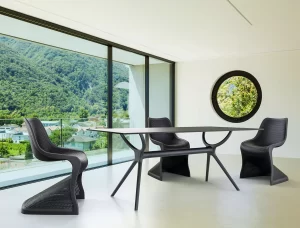

11 Restaurant Outdoor Setting Ideas That Work
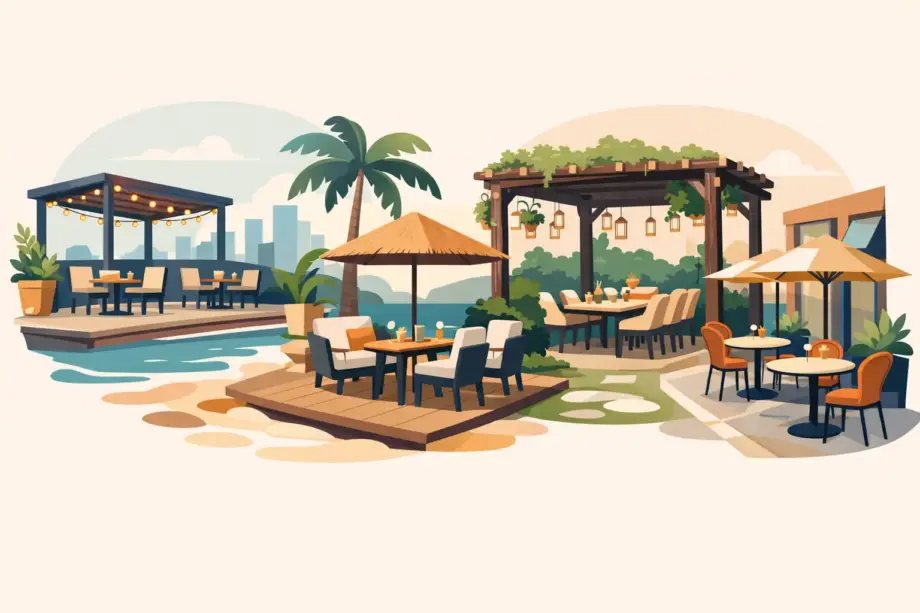
A few extra tables outside can lift revenue fast, but only if the space works as hard as the dining room. The best restaurant outdoor setting ideas are not just about adding seats. They need to handle weather, service flow, cleaning routines and the kind of atmosphere your venue wants to sell from the kerb.
For restaurant owners and venue managers, outdoor areas usually carry more pressure than indoor spaces. They need to look inviting from the street, turn over efficiently during busy periods and hold up under constant use. A smart setup balances visual appeal with practical decisions around layout, materials and furniture that is made for commercial conditions.
Restaurant outdoor setting ideas that earn their keep
The strongest outdoor settings start with a clear use case. A compact footpath dining zone needs very different furniture to a beer garden, rooftop terrace or coastal bistro courtyard. Before choosing finishes or styles, it helps to decide what the area is meant to do. Some venues need fast café-style turnover. Others want guests to settle in for longer, order another round and stay for dessert.
That decision affects almost everything. Table size, chair comfort, spacing, shade and even the weight of the furniture all change depending on service style. Lightweight chairs may suit a flexible breakfast trade, while a higher-end evening venue may want a more anchored look with heavier tables and upholstered outdoor seating.
1. Build around your service pattern
If staff are weaving through tight corners or squeezing between chairs, the setting is costing you time. Good outdoor dining layouts leave enough room for trays, prams, wheelchairs and steady customer movement without making the area feel sparse. In smaller spaces, square or round two-top tables often outperform larger formats because they are easier to rearrange as bookings shift.
For venues with heavy lunch trade, simple and durable settings usually win. For venues chasing higher spend in the evening, more generous spacing and a slightly softer seating mix can improve the experience. It depends on whether your outdoor zone is designed to maximise covers or support longer dwell time.
2. Choose commercial materials, not domestic looks
Outdoor furniture gets judged quickly by customers and punished quickly by the weather. Powder-coated aluminium, resin, polypropylene and treated timber all have a place, but each comes with trade-offs. Aluminium is lightweight and low maintenance, which is excellent for fast-moving venues, although it may need a more considered design approach to avoid looking too basic. Timber adds warmth and character, but it asks for more upkeep.
Venues near the coast need to be especially selective. Salt air, moisture and strong UV can shorten the life of poorly specified furniture. In those locations, corrosion resistance matters as much as appearance. A chair that looks right in the showroom but struggles outdoors is rarely a good procurement decision.
3. Mix seating types without losing consistency
One of the most effective restaurant outdoor setting ideas is to create variety while keeping the overall look controlled. Not every customer wants the same experience. Some want a quick coffee at a small table by the edge of the space. Others want banquette-style comfort along a wall or a larger table for a group booking.
A mix of dining chairs, bar stools and occasional lounge seating can work well if the finishes and proportions are tied together. The common mistake is over-mixing styles until the area feels accidental. Repeating the same frame colour, tabletop finish or seat material helps hold the scheme together.
Design for weather without making it feel temporary
Outdoor dining in Australia means planning for strong sun, unexpected rain and seasonal shifts. Too many venues treat weather protection as an afterthought, then wonder why the area sits empty during parts of the day. Shade is not only about comfort. It affects table turnover, food quality on the pass and how long customers choose to stay.
Umbrellas are flexible and practical, especially for smaller footprints, but they need stable bases and enough clearance to avoid crowding tables. Fixed awnings create stronger coverage and a more permanent look, although they reduce flexibility if the layout changes. In many settings, a combination works best.
4. Use furniture colours that hide wear and heat well
Colour selection is often treated as a branding decision only, but it is also operational. Very dark surfaces can absorb heat quickly in full sun. Very light finishes may show scuffs, spills and city grime faster than expected. Mid-tone neutrals, textured finishes and matte powder-coats often perform better over time while still looking sharp.
If your venue uses strong brand colours, introduce them carefully through cushions, planters or accessories rather than locking every table and chair into a finish that may date quickly. Furniture is a capital purchase. It needs to work longer than a seasonal campaign.
5. Add screening that improves both privacy and flow
Planters, screens and low dividers do more than decorate an outdoor area. They can shape traffic, soften wind and make street-facing tables feel more comfortable to occupy. This is especially useful in exposed locations where diners may feel too visible or too close to passing foot traffic.
The key is scale. Oversized screening can make a compact outdoor zone feel cramped. Low, consistent planting or slimline dividers usually works better in hospitality settings because it gives definition without blocking sightlines for staff or guests.
Furniture choices that support faster operations
The best-looking setup still has to survive a Saturday rush. Outdoor furniture should be easy to wipe down, stable on typical surfaces and practical to stack or store if required. These details sound minor until the venue is resetting tables every few minutes or packing furniture away before weather moves in.
6. Prioritise table stability
Nothing undermines an outdoor meal like a wobbling table. On pavers, timber decking or older footpath surfaces, this issue shows up quickly. Table bases should match the size and weight of the top, and they need to perform on the actual surface in your venue, not just in a product image.
For high-turnover dining, compact tops with solid commercial bases often make more sense than oversized tables that are difficult to move and harder to keep stable. If combining tables for groups is part of your service model, choose shapes and edge profiles that allow clean joins.
7. Don’t overdo comfort at the expense of turnover
Comfort matters, but so does suitability. Deep lounge-style seating can look impressive in a courtyard or rooftop bar, yet it may be wrong for a busy restaurant where guests need to dine comfortably and staff need easy access. Standard dining chairs with supportive backs often strike the better balance.
That said, not every zone needs the same feel. A waiting area or drinks corner can justify softer seating, while the main dining section stays more structured. The better approach is zoning, not one furniture type across the entire footprint.
8. Keep cleaning and maintenance visible in the buying decision
Outdoor areas collect dust, moisture, food debris and sunscreen marks faster than indoor spaces. Textured rope details, elaborate joints and high-maintenance finishes can add style, but they also add labour. If your team is already stretched, simpler surfaces are often the smarter call.
This is where commercial-grade ranges matter. Warranties, stock availability and after-sales support are not just procurement boxes to tick. They reduce risk when furniture is being used daily in a revenue-generating environment. For many operators, fast dispatch and reliable replacement access are just as valuable as the initial design brief.
Street appeal still matters
Outdoor seating often acts as your first advertisement. People decide whether a venue feels lively, current or worth trying before they ever read a menu. That makes visual cohesion important, especially in competitive hospitality strips where customers compare venues at a glance.
9. Frame the perimeter like a storefront
Think of the outer edge of the outdoor area as your presentation line. Clean table spacing, consistent chair alignment and a deliberate entry point make the venue look organised and welcoming. Clutter does the opposite, even when the food and service are strong.
Lighting also changes the result at night. Warm, low-glare lighting can lift a simple setting significantly, while poor lighting makes even premium furniture feel flat. If evening trade matters, view the space after dark before signing off the layout.
10. Use bar-height seating where it serves a purpose
Bar tables and stools can increase visual energy and make better use of narrow edges or outlook positions. They are particularly effective along balustrades, windows or street-facing zones where customers are likely to stay for a shorter time. Still, they should not dominate the space. Not every guest wants a stool, and accessibility needs should remain front of mind.
11. Create a layout that can flex with demand
A rigid setup can become a problem during peak periods, functions or seasonal shifts. Stackable chairs, movable tables and modular pieces give operators room to adapt without replacing the whole fit-out. This is often one of the most commercially sound restaurant outdoor setting ideas because it extends the usefulness of the furniture across different service patterns.
For buyers managing timelines, budget and presentation, the goal is simple. Choose outdoor settings that look right on day one and still perform after months of weather, traffic and back-to-back service. Furniture Pro Australia works with venues that need that balance between design appeal and commercial practicality. The right setting should not only fill the space – it should make the space easier to run, easier to maintain and easier for customers to say yes to.