


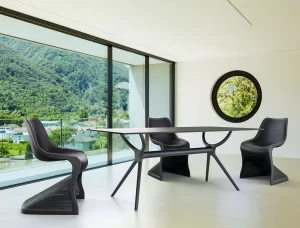

Indoor vs Outdoor Bar Stools: Key Differences
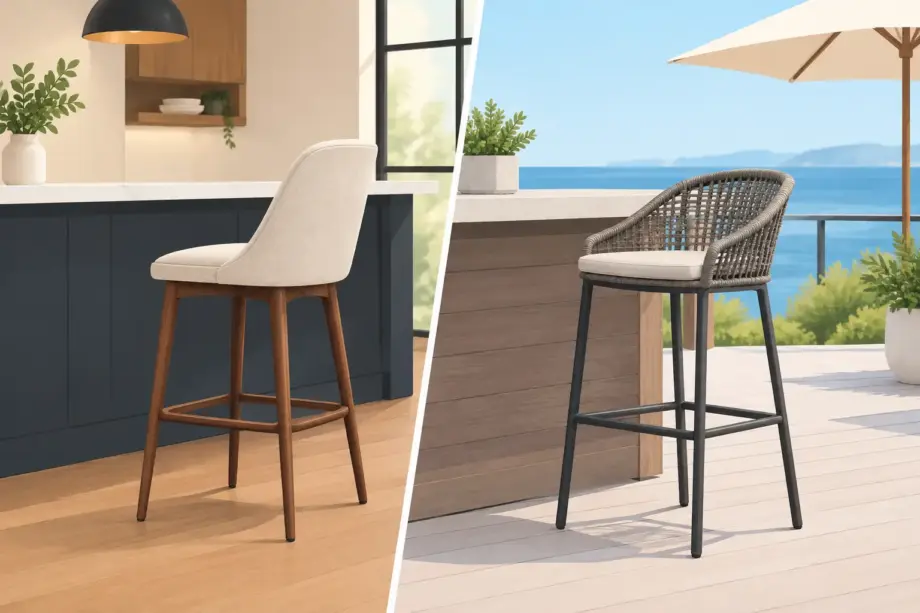
A bar stool can look right in a showroom yet fail quickly once it reaches a busy venue. In the indoor vs outdoor bar stools decision, the difference is not simply visual. It affects cleaning time, guest comfort, replacement costs, safety and how well your space holds its finish through daily service.
For cafés, restaurants, clubs and workplace breakout areas, stools need to suit the actual operating environment. An indoor stool placed under cover in a hotel lobby faces very different demands from one positioned beside a pool, on a footpath dining area or under a partly exposed pergola. Choosing correctly from the outset protects the look of the fit-out and helps avoid unnecessary maintenance.
Indoor vs Outdoor Bar Stools: What Changes?
The primary difference is how each stool is built to handle its surroundings. Indoor bar stools are designed for controlled environments, where rain, strong UV exposure, wind-blown grit and standing water are not part of normal use. They often give buyers more flexibility in upholstery, timber detailing, powder-coated finishes and refined silhouettes.
Outdoor bar stools are made for exposure. Even in covered alfresco areas, moisture, temperature changes and sunlight can affect furniture over time. Commercial outdoor stools generally rely on weather-tolerant materials, drainage-friendly construction and finishes that are easier to wipe down after food service, spills or wet weather.
That does not mean outdoor stools are automatically tougher in every sense. A premium upholstered indoor stool may be the better choice for a high-end cocktail bar where guests sit for extended periods. Equally, a simple polypropylene outdoor stool can be the practical answer for a fast-moving beer garden. The right option depends on location, service style and expected use.
Start With the Exposure Level, Not the Look
Before selecting colours or seat profiles, assess where the stools will sit across the year. A fully enclosed bar, office kitchen or dining room can accommodate a broad range of indoor furniture. A covered terrace may still need outdoor-rated stools if it receives sideways rain, humid air or afternoon sun.
Consider whether furniture will be moved indoors each evening, whether staff have time to cover it, and whether the area is washed down regularly. A venue near the coast also needs greater attention to corrosion resistance due to salt in the air. These operating details are more useful than the label “outdoor” alone.
For semi-outdoor spaces, outdoor-rated stools are usually the lower-risk procurement choice. They provide more flexibility if the layout changes or weather conditions become more demanding. Indoor stools can work in protected areas, but only when the furniture will remain genuinely dry and out of direct UV.
Materials for indoor settings
Indoor bar stools commonly use upholstered seats, timber frames, metal bases and moulded shells. Upholstery adds comfort and can reinforce a venue’s colour palette, particularly in dining rooms, hotel bars and executive lounge areas. Choose commercial-grade fabrics or vinyls where food, beverages and high turnover are expected.
Timber brings warmth and works well with hospitality interiors, but it should be protected from persistent moisture. Metal frames offer a clean, contemporary look and can be highly durable indoors, particularly when fitted with quality glides that protect flooring and reduce noise during service.
Indoor seating also allows for more detailed construction, such as quilted upholstery, slim profiles and timber veneer finishes. These features create a more considered guest experience, though they may require more careful cleaning than a moulded outdoor stool.
Materials for outdoor settings
Outdoor bar stools need materials that tolerate moisture and sunlight without becoming difficult to maintain. Polypropylene is a popular commercial choice because it is lightweight, easy to clean and available in contemporary colours. Many designs can also stack, which assists with closing procedures, event set-ups and storage.
Aluminium is another strong option. It is lighter than steel and naturally resistant to rust, making it well suited to patios, rooftops and poolside spaces. Powder-coated aluminium can add colour and visual definition, but the coating should be kept clean and checked for chips in high-contact areas.
Stainless steel can be appropriate for selected outdoor applications, although not all grades perform equally in coastal conditions. Timber-look aluminium, synthetic wicker and outdoor-rated upholstery can also suit hospitality spaces where a more elevated finish is required. In each case, confirm the product is intended for commercial outdoor use rather than occasional residential use.
Height Is a Commercial Detail, Not an Afterthought
A stool’s height must match the counter. This sounds straightforward, yet it remains one of the most common fit-out errors. Counter-height stools generally suit benchtops around 900 mm high, while bar-height stools suit counters closer to 1050 mm. Allow enough clearance between the top of the seat and the underside of the bench so guests can sit comfortably and move in and out without knocking their knees.
Measure the finished height of the counter, including any stone, timber or metal top, before ordering. If the flooring has not yet been installed, account for that as well. A few millimetres can matter when building a coordinated commercial space.
Footrests are equally important. A well-positioned footrest helps guests feel settled during longer stays and reduces strain when stools are used at higher bars. For cafés with quick turnover, backless stools may keep the room visually open and allow easy access from either side. For restaurants, hotel lounges and venues encouraging longer dwell time, a supportive backrest may be worth the additional footprint.
Comfort, Capacity and Cleaning Need to Work Together
The best stool is not always the most padded one. In high-volume venues, a simple, well-shaped seat may outperform a heavily upholstered design because it can be cleaned quickly and moved easily. Consider how many times each stool will be handled in a day, not just how it appears before service begins.
For indoor bars, vinyl upholstery can offer a practical balance between comfort and cleanability. It is generally easier to wipe than fabric and can suit dining and entertainment settings. For outdoor areas, textured polypropylene or slatted aluminium helps water drain away and avoids cushions that need to be brought in during rain.
Weight capacity and frame stability should also be considered. Commercial furniture needs to feel secure when guests shift position, lean back or rest bags against the frame. Wide bases, quality welds, non-slip feet and appropriately engineered footrests all contribute to a safer, more dependable seating arrangement.
Match the Stool to the Service Model
A rooftop cocktail bar has different priorities from a suburban café. The cocktail bar may favour upholstered indoor stools with a tailored profile, coordinated with lighting and joinery. The café may need stackable outdoor stools for a front terrace that is reset each morning. A sports club might require both: durable indoor stools for the bistro and weather-ready seating for the balcony.
Think about layout changes too. Lightweight stools are useful where furniture is regularly rearranged for functions, live music or large bookings. Heavier stools can feel more substantial in permanent bar areas but may slow staff during cleaning and floor resets.
Colour should support both branding and maintenance. Pale shades can brighten a compact interior but show marks sooner. Dark finishes often conceal everyday scuffs, while mid-tones and textured surfaces can be a practical middle ground. For outdoor spaces, select colours with fade resistance in mind, particularly where sunlight reaches the furniture for several hours each day.
Buying for Longevity Rather Than a Quick Fix
Commercial bar stools should be assessed as part of the whole operating environment. Check the warranty, care requirements and suitability for the intended setting. Ask whether the product is stackable, whether replacement glides are available, and whether the finish is appropriate for coastal, poolside or high-traffic use.
It is also worth planning quantities carefully. Order enough stools to maintain a consistent layout, with a small allowance for future expansion or replacements where practical. Matching a discontinued stool later can be difficult, especially when a venue’s fit-out relies on a specific colour or frame finish.
For businesses working to an opening date, stock availability and dispatch timing matter as much as the product specification. Selecting commercial-ready seating held in Australia can reduce project uncertainty and help keep installation schedules on track.
A well-chosen stool should earn its place every service: comfortable enough for guests, practical enough for staff, and durable enough to keep the venue looking considered long after opening week. Furniture Pro Australia can help businesses select commercial seating that fits the setting, the service model and the visual standard of the space.